

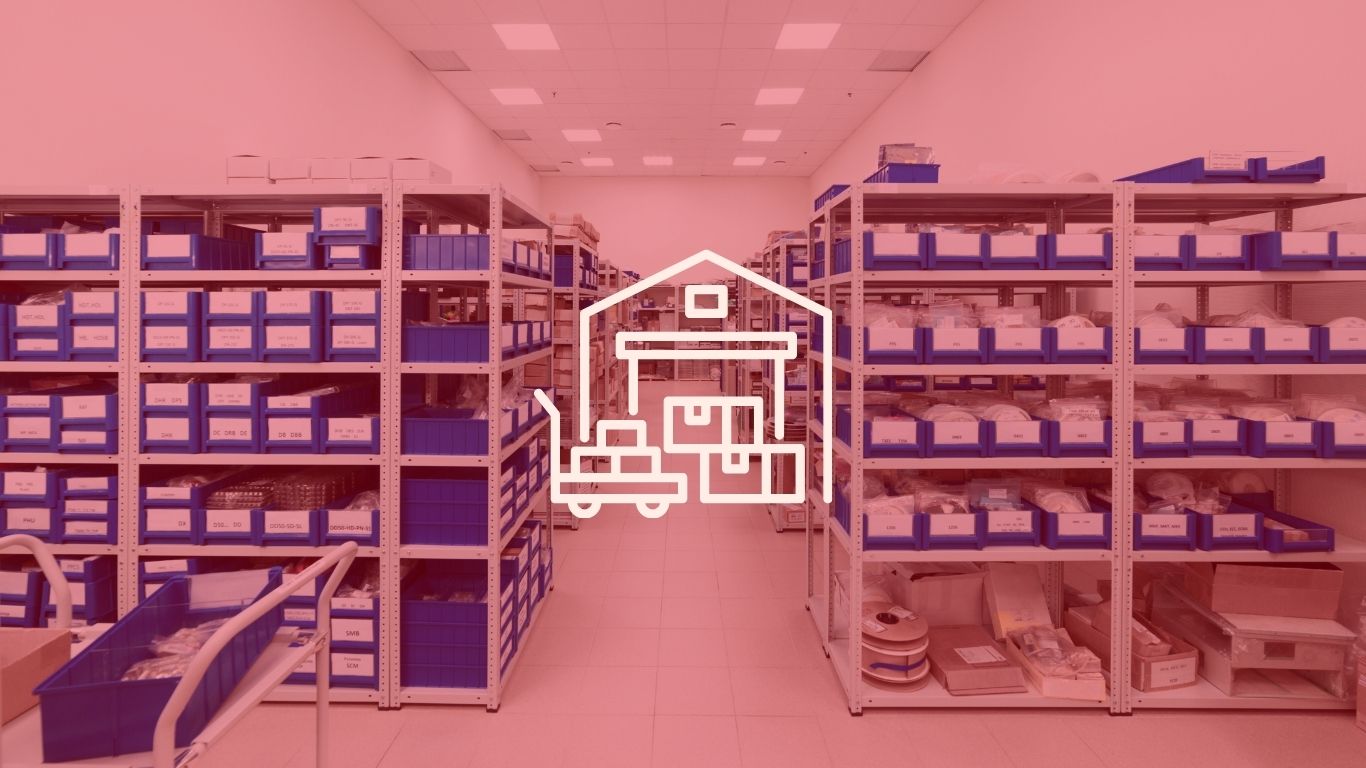
Specialized warehouse storage solutions for electronic components are no longer a luxury—they are an absolute necessity in today’s high-tech world. From microchips and semiconductors to capacitors and printed circuit boards (PCBs), these tiny marvels are the lifeblood of modern industry. However, their sensitivity to environmental conditions, static electricity, and contamination makes them incredibly vulnerable. Improper storage can lead to catastrophic failures, costly production delays, and irreparable damage to your brand’s reputation.
For businesses in manufacturing, telecommunications, aerospace, and consumer electronics, safeguarding this inventory is paramount. Standard warehousing is simply not equipped to handle the unique challenges posed by these high-value assets. This guide will explore the ten most critical components of a professional warehousing solution designed specifically for electronics.
At Shiftraa, we understand that your inventory is more than just stock; it’s the foundation of your business. We provide expert packing, moving, and secure storage solutions that protect your assets, whether you’re relocating a facility or need reliable off-site inventory management.
Why Specialized Storage for Electronic Components is Non-Negotiable
Storing electronic components isn’t like storing furniture or paper files. They are susceptible to invisible threats that can render them useless in an instant. Understanding these vulnerabilities is the first step toward effective protection.
Environmental Threats: The Silent Killers
- Humidity and Moisture: Excess moisture in the air is a primary enemy. It can cause microscopic corrosion on connector pins, leads, and solder pads, leading to poor conductivity or short circuits. For Moisture-Sensitive Devices (MSDs), absorbed moisture can turn into steam during the soldering process, causing internal micro-cracking—a phenomenon known as the “popcorn effect.”
- Temperature Fluctuations: Extreme heat or cold, as well as rapid temperature changes, can cause materials to expand and contract at different rates. This thermal stress can fracture delicate internal connections, compromise solder joints, and degrade the performance and lifespan of the component.
- Dust and Contaminants: Airborne particles like dust, fibers, and chemical fumes can settle on components. This can create an insulating layer that leads to overheating during operation or cause electrical shorts between tightly spaced conductors.
The Invisible Danger: Electrostatic Discharge (ESD)
Electrostatic Discharge (ESD) is the sudden flow of electricity between two electrically charged objects. It’s the same principle as the small shock you get from a doorknob after walking across a carpet. While harmless to humans, a static discharge of just a few volts can be catastrophic for a sensitive semiconductor.
ESD damage falls into two categories:
- Catastrophic Failure: The component is immediately destroyed and will not function.
- Latent Defect: The component is partially degraded but may still pass initial testing. However, it is a ticking time bomb, destined to fail prematurely in the field, leading to costly product returns and warranty claims.
Security and Inventory Management Challenges
Electronic components are often small, high-value, and untraceable, making them prime targets for theft. Furthermore, managing thousands of tiny, similar-looking parts requires a meticulous inventory system to ensure traceability, manage shelf life, and prevent picking errors that can shut down a production line.
The 10 Essential Warehouse Storage Solutions for Electronic Components
To combat these threats, a world-class storage facility must implement a multi-layered defence system. Here are the ten indispensable features to look for.
1. Climate and Humidity Control: The Foundation of Safety
The first line of defense is a strictly controlled environment. A professional warehouse storage solution for electronic components must include a sophisticated Heating, Ventilation, and Air Conditioning (HVAC) system combined with industrial-grade dehumidifiers.
- Ideal Temperature: Consistently maintained between 18°C and 24°C (65°F and 75°F).
- Ideal Relative Humidity (RH): Kept within a tight range of 30 to 50. Below 30, the risk of static electricity generation increases, while above 50, the risk of moisture damage and corrosion grows.
- Continuous Monitoring: Sensor systems that monitor conditions 24/7 and trigger alerts if parameters deviate from the safe zone are essential.
Shiftraa’s secure warehousing facilities are equipped with state-of-the-art climate control systems to provide the stable environment your components need.
2. Comprehensive ESD Protection: Creating an ESD-Protected Area (EPA)
An ESD-Protected Area (EPA) is a designated space where all surfaces, objects, people, and sensitive devices are kept at the same electrical potential. This is achieved by grounding everything to prevent the buildup of static charges. Key elements of an EPA include:
- ESD-Safe Flooring: Conductive or static-dissipative floor tiles or coatings that safely discharge static from personnel and equipment.
- Grounded Workstations and Shelving: All surfaces where components are handled or stored must be connected to a common ground point.
- Personnel Grounding: Staff must wear ESD wrist straps and/or foot grounders that connect them to the ground. ESD-safe smocks are also standard to prevent static buildup on clothing.
- Ionizers: In areas where grounding is not possible, air ionizers neutralize static charges on insulating materials. For more information on industry standards, the ESD Association is an excellent resource for guidelines like ANSI/ESD S20.20.
(Image: A close-up of an employee wearing an ESD wrist strap while working at a grounded workstation with anti-static mats.) Alt-text: An ESD-protected area is crucial for electronic component storage.
3. Specialized Packaging and Handling Protocols
How components are packaged is just as important as where they are stored.
- ESD Shielding Bags: These multi-layered bags (often pink or silver) create a Faraday cage effect, protecting the contents from external static fields.
- Moisture Barrier Bags (MBBs): For moisture-sensitive components, these foil-lined bags are heat-sealed to prevent moisture ingress.
- Desiccants and Humidity Indicator Cards (HICs): MBBs are always used with a desiccant pack to absorb any trapped moisture and an HIC to visually confirm that the internal humidity remains low.
- Anti-Static Bins and Totes: Specially designed containers made from static-dissipative materials are used for transport and storage within the EPA.
4. Advanced Inventory Management Systems (WMS)
Precision is key. A modern Warehouse Management System (WMS) is the brain of the operation.
- Real-Time Tracking: Barcode and RFID scanning at every touchpoint (receiving, put-away, picking, shipping) provides 100% visibility of every single component.
- FIFO/FEFO Implementation: A WMS automates First-In, First-Out (FIFO) or First-Expired, First-Out (FEFO) protocols, ensuring that older stock is used first to prevent obsolescence and manage components with a limited shelf life.
- Lot and Serial Number Traceability: Crucial for quality control and recalls, the system tracks the specific batch or serial number of each component from arrival to dispatch.
Shiftraa’s proprietary app provides clients with instant, transparent quotations and visibility into their inventory, leveraging technology to enhance our warehouse storage solutions for electronic components.
5. Robust Security and Access Control
High-value electronics demand high-level security to prevent theft and unauthorized access.
- 24/7 Surveillance: High-definition CCTV cameras covering all entry points, storage areas, and handling zones.
- Layered Access Control: Multi-factor authentication, such as keycards or biometric scanners, to restrict entry to sensitive storage areas only to authorized personnel.
- Perimeter Security: Secure fencing, gated access, and alarm systems monitored by a professional security firm.
- Visitor Management: Strict protocols for logging and escorting all visitors within the facility.
6. Contamination and Dust Control
A clean environment is a safe environment for electronics.
- Positive Air Pressure: Maintaining a slightly higher air pressure inside the storage area than outside ensures that air flows outwards, preventing dust and contaminants from entering when doors are opened.
- Air Filtration: High-Efficiency Particulate Air (HEPA) filters can remove 99.97% of airborne particles as small as 0.3 microns.
- Strict Housekeeping: Regular cleaning schedules using specialized, non-contaminating equipment and solutions. Policies prohibiting food, drink, and other potential contaminants in the EPA are strictly enforced.
7. Strategic Shelving and Racking Systems
Even the shelving plays a role in component safety.
- Appropriate Materials: Chrome-plated wire shelving is often preferred over painted steel as it is less prone to chipping and has better conductivity for grounding purposes.
- Proper Organization: Shelving must be rated for the appropriate weight and organized logically. Clear labeling on every bin, shelf, and rack is non-negotiable to prevent picking errors.
- Grounding: All metal racking and shelving units within the EPA must be properly bonded to the common ground system.
(Image: A well-labeled aisle of chrome wire shelving holding organized anti-static bins filled with electronic components.) Alt-text: Proper handling using ESD shielding bags is part of our warehouse solutions for electronic components.
8. Rigorous Staff Training and Certification
The most advanced facility is only as good as the people operating it. Staff must be extensively trained in:
- ESD Awareness: Understanding the science behind electrostatic discharge and the importance of following all protocols.
- Component Handling: Correct techniques for handling, packaging, and transporting sensitive devices.
- WMS Operation: Proficient use of the inventory management system to ensure accuracy.
- Safety and Emergency Procedures: Knowing how to respond to any situation, from a security breach to a fire alarm. Seeking a partner whose staff is trained according to standards from organizations like the IPC – Association Connecting Electronics Industries demonstrates a commitment to quality.
9. Fire Prevention and Suppression Systems
A fire in an electronics warehouse is a double disaster. The fire itself is destructive, but a traditional water-based sprinkler system can cause just as much damage to the inventory. Specialized fire suppression is required.
- Very Early Smoke Detection Apparatus (VESDA): These systems actively sample the air to detect microscopic smoke particles long before a fire becomes visible, providing critical early warning.
- Clean Agent Suppression: Systems like FM-200™ or Novec™ 1230 flood an area with a gas that extinguishes the fire by removing heat, without damaging electronics, leaving a residue, or requiring cleanup.
10. Comprehensive Risk Management and Insurance
A professional storage partner takes responsibility for your assets. This includes:
- Sufficient Insurance Coverage: The provider must carry comprehensive insurance policies that specifically cover the high value of electronic components.
- Disaster Recovery Plan: A documented plan to protect and recover inventory in the event of a natural disaster, power failure, or other major disruption.
- Regular Audits: Ongoing internal and third-party audits to ensure all systems and protocols are functioning correctly and comply with industry standards.
Choosing the Right Partner for Your Electronics Storage Needs
When evaluating a potential partner for your warehouse storage solutions for electronic components, use this checklist to ensure they meet the highest standards:
- [ ] Climate Control: Can they provide data logs proving stable temperature and humidity levels?
- [ ] ESD Protection: Is the entire handling and storage area a fully equipped and monitored EPA?
- [ ] Packaging Expertise: Do they offer and understand the use of shielding bags, MBBs, and desiccants?
- [ ] WMS Capability: Does their system offer real-time, lot-level tracking and support FIFO/FEFO?
- [ ] Security Measures: Are there multiple layers of security, including 24/7 monitoring and strict access control?
- [ ] Staff Training: Is their staff certified and regularly trained in electronics handling and ESD prevention?
- [ ] Fire Suppression: Do they use a clean agent fire suppression system instead of water sprinklers?
- [ ] Full-Service Logistics: Can they handle not just storage, but also the secure transportation and corporate relocation of your sensitive assets?
Shiftraa: Your Expert Partner in Electronic Component Warehousing
Choosing the right storage provider is an investment in your product quality, operational efficiency, and business continuity. At Shiftraa, we have built our reputation on trust, expertise, and a relentless commitment to protecting our clients’ assets.
Our facilities are more than just storage spaces; they are highly specialized environments engineered from the ground up to provide the ultimate protection for sensitive electronic components. We integrate all ten essential solutions—from advanced climate control and comprehensive ESD protection to robust security and cutting-edge inventory management—into a seamless service.
Whether you are moving a production facility across the country, require secure off-site storage for buffer stock, or need an end-to-end logistics partner for your supply chain, Shiftraa has the expertise and infrastructure to deliver. We handle local, domestic, and international logistics with the same meticulous attention to detail.
Don’t leave your most valuable assets to chance. Contact Shiftraa today for a comprehensive consultation and a transparent quotation. Let us show you how our specialized warehouse storage solutions for electronic components can safeguard your inventory and empower your business.
Frequently Asked Questions (FAQ)
Q1: What is the ideal humidity for storing electronic components? The ideal relative humidity (RH) is between 30% and 50%. This range is low enough to prevent moisture absorption and corrosion but high enough to help mitigate the buildup of static electricity.
Q2: What is ESD and why is it dangerous for electronics? ESD stands for Electrostatic Discharge. It is the rapid transfer of static electricity that can permanently damage or destroy the microscopic internal circuitry of electronic components. This damage can be immediate (catastrophic failure) or cause a delayed failure later on (latent defect).
Q3: Can I store electronics in a standard self-storage unit? It is highly inadvisable. Standard self-storage units lack the critical protections needed for electronics, including climate and humidity control, ESD-safe environments, advanced security, and proper contamination control, exposing your valuable inventory to significant risk.
Q4: What is a Moisture Barrier Bag (MBB)? A Moisture Barrier Bag is a specialized, heat-sealable bag, typically made with layers of foil and plastic, designed to protect moisture-sensitive devices from humidity. They are always used with a desiccant pack inside to absorb moisture and a humidity indicator card to verify the bag’s integrity.
Q5: How does Shiftraa ensure the security of my high-value components? Shiftraa employs a multi-layered security strategy, including 24/7 CCTV surveillance, strict biometric and keycard access control to restricted areas, perimeter fencing with alarm systems, and comprehensive visitor management protocols to ensure your assets are protected around the clock.