

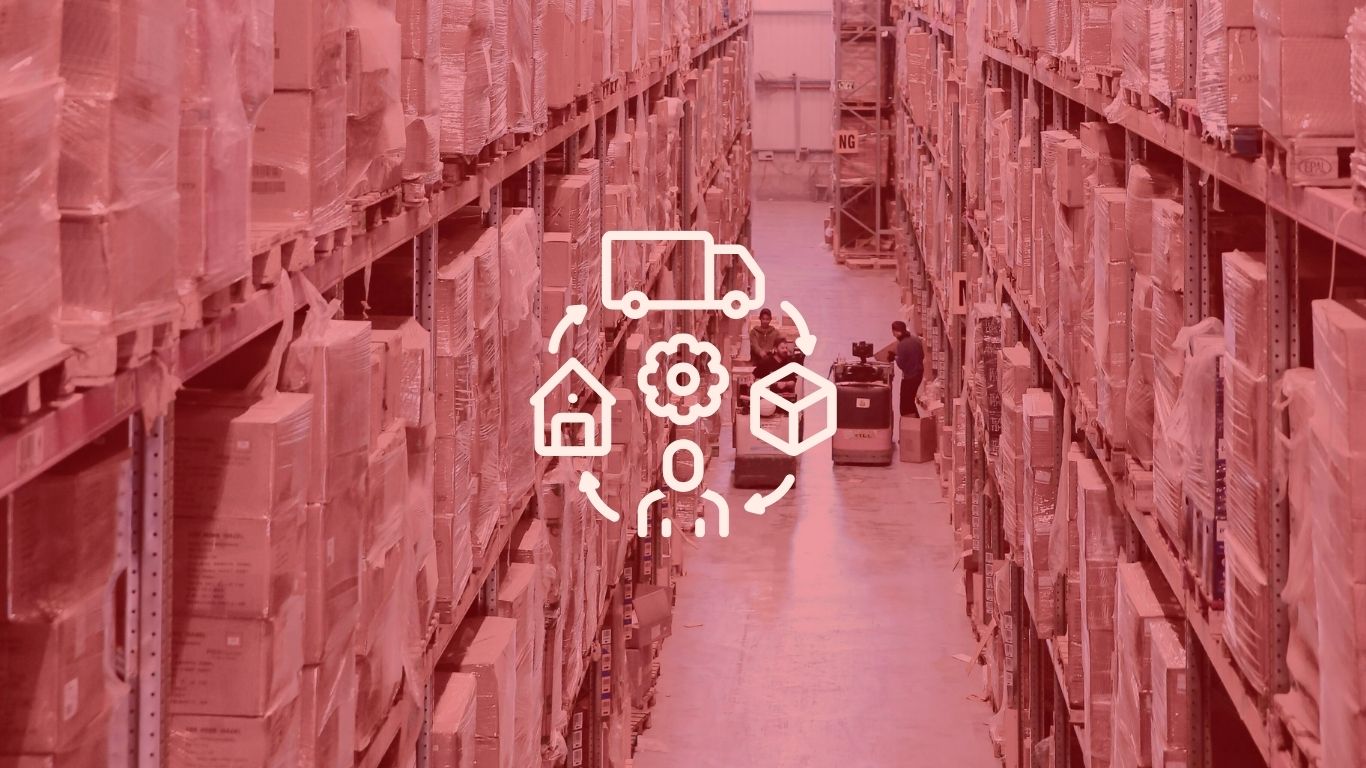
The future of warehouse management is no longer a distant concept discussed in tech conferences; it’s unfolding right now in facilities across the globe. Gone are the days of warehouses being simple, dusty buildings for static storage. Today, they are dynamic, intelligent nerve centers of the supply chain, critical for everything from e-commerce fulfillment to complex international industrial relocations. For businesses and individuals alike, understanding these advancements is key to choosing a partner who can provide truly efficient, secure, and hassle-free storage and moving solutions.
As customer expectations for speed, accuracy, and transparency soar, the pressure is on for companies like Shiftraa to innovate. The traditional model of manual tracking and labor-intensive processes is rapidly being replaced by a sophisticated ecosystem of technology. This evolution isn’t just about becoming faster—it’s about becoming smarter, more sustainable, and radically more customer-centric.
In this ultimate guide, we will explore the ten most significant trends that are shaping the future of warehouse management. Whether you’re a facilities manager planning a corporate move, a family seeking secure storage for your belongings, or a business looking to optimize your logistics, these are the innovations that will define excellence in the years to come.
1. Automation and Robotics: The Rise of the Smart Workforce
Perhaps the most visible trend is the integration of robotics and automation. These are not the cage-bound, single-task robots of old manufacturing lines. Modern warehouse robots are collaborative, intelligent, and flexible, designed to work alongside human teams to boost efficiency and eliminate errors.
- Autonomous Mobile Robots (AMRs): Unlike their predecessors, Automated Guided Vehicles (AGVs) that follow fixed paths, AMRs can navigate a warehouse dynamically. They use sensors and AI to map the environment and find the most efficient route to retrieve a pallet, a shelf, or a specific box. For a company like Shiftraa, this means faster retrieval of your stored items and quicker preparation for your local, domestic, or international move.
- Robotic Sorting and Picking: “Goods-to-person” technology is a game-changer. Instead of a worker walking miles of aisles each day, AMRs bring the relevant shelves directly to a stationary picking station. Here, robotic arms or human workers can accurately pick items for an order. This drastically reduces picking time and minimizes the risk of damage to your valuable goods.
- Inventory Drones: Imagine a drone flying through warehouse aisles in the off-hours, using high-resolution cameras and barcode scanners to conduct a full inventory count in a fraction of the time it would take a human team. This ensures near-perfect inventory accuracy, a cornerstone of reliable secure storage.
2. Artificial Intelligence (AI) and Machine Learning (ML): The Brains of the Operation
If robotics is the muscle of the modern warehouse, AI is the brain. AI and ML algorithms analyze vast amounts of data to make smarter decisions, predict outcomes, and continuously optimize every aspect of warehouse management.
- Predictive Analytics: AI can analyze historical data, market trends, and even weather patterns to predict future demand with stunning accuracy. This allows warehouse managers to optimize staffing levels, pre-position inventory, and ensure they have the right packing and moving supplies ready for peak seasons.
- Optimized Slotting and Routing: Where should an item be stored for the fastest retrieval? Which truck should take which route to avoid traffic during a home relocation? AI answers these questions in real-time. It constantly re-evaluates the best “slot” for every item based on its demand and calculates the most efficient routes for our moving fleets, saving you time and money.
- Enhanced Safety: AI-powered camera systems can monitor the warehouse floor for potential safety hazards, such as spills or unsafe stacking, and alert managers instantly. This proactive approach is fundamental to how Shiftraa maintains the integrity of our secure storage facilities.
3. The Internet of Things (IoT): Creating a Fully Connected Warehouse
The Internet of Things refers to a network of physical devices—sensors, cameras, vehicles, and equipment—embedded with technology that allows them to connect and exchange data over the internet. In a warehouse, IoT creates a living digital ecosystem.
- Real-Time Asset Tracking: With IoT sensors attached to your crate of belongings or a company’s pallet of equipment, you gain unprecedented visibility. You can know exactly where your items are within the facility at any given moment. This is a core component of the transparent service offered through the Shiftraa app.
- Environmental Monitoring: For sensitive items like artwork, electronics, or documents, environmental conditions are critical. IoT sensors constantly monitor temperature, humidity, and light exposure within our secure storage units, ensuring your valuables are protected from degradation.
- Predictive Maintenance: Equipment downtime can cause significant delays in a move. IoT sensors on forklifts, conveyor belts, and even moving trucks can monitor their health and predict when maintenance is needed before a breakdown occurs, ensuring our relocation services run on schedule.
4. Digital Twins: Simulating Perfection
This is one of the most exciting developments in the future of warehouse management. A digital twin is a highly detailed, virtual 3D model of a physical warehouse. This model isn’t static; it’s fed with real-time data from IoT sensors, creating a living replica of the facility.
The benefits are immense:
- Simulate Changes: Before physically rearranging a single shelf or investing in new robotic systems, we can test the changes in the digital twin to see how they impact workflow, efficiency, and safety.
- Train Staff: New employees can be trained in a virtual environment on complex processes without any risk to themselves or real products.
- Identify Bottlenecks: By watching the digital twin operate, managers can easily spot inefficiencies and bottlenecks that might be hard to see on the busy warehouse floor.
This technology allows companies like Shiftraa to design and operate facilities that are optimized for performance from day one.
5. Green Logistics: The Push for Sustainable Warehousing
The future is not just smart; it’s also green. Sustainability is no longer a “nice-to-have” but a core business imperative. Modern warehouses are being designed and retrofitted to minimize their environmental footprint.
- Eco-Friendly Design: This includes using sustainable building materials, installing high-efficiency LED lighting with motion sensors, and implementing advanced insulation to reduce heating and cooling costs.
- Renewable Energy: Solar panels on vast warehouse roofs are becoming a common sight, allowing facilities to generate their own clean power and even sell excess energy back to the grid.
- Sustainable Packing and Waste Reduction: The focus is shifting towards using recyclable or biodegradable packing materials. Advanced planning also helps minimize waste by ensuring the correct size and number of boxes are used for every job, a key practice in our packing and moving services. To learn more about efficient logistics, you can explore insights from leading industry analysts.
6. On-Demand Warehousing: Flexibility is the New Standard
The “gig economy” model has come to warehousing. On-demand warehousing connects businesses with a short-term need for storage space with warehouses that have excess capacity. This “Airbnb for warehousing” model offers incredible flexibility.
For our corporate and industrial clients, this means Shiftraa can offer agile solutions. If a business experiences a sudden surge in inventory or needs temporary storage during a factory relocation, we can leverage a network of facilities to provide scalable space without the burden of a long-term lease. This helps businesses reduce fixed costs and adapt quickly to market changes, making their local and domestic logistics far more agile.
7. Advanced Warehouse Management Systems (WMS): Cloud-Powered and Integrated
The Warehouse Management System (WMS) is the central software platform that manages all warehouse operations. Modern WMS platforms are vastly more powerful than their predecessors.
- Cloud-Based: Moving the WMS to the cloud means it can be accessed from anywhere on any device—a desktop in the office, a tablet on the warehouse floor, or a smartphone on the go. This is the technology that powers customer-facing tools like the Shiftraa app, giving you instant access to quotes and shipment status.
- Seamless Integration: A modern WMS doesn’t operate in a silo. It integrates seamlessly with other business systems like Enterprise Resource Planning (ERP) and Transportation Management Systems (TMS). This creates a single source of truth across the entire supply chain, from inventory to vehicle transportation.
- Data Visualization: Forget endless spreadsheets. Advanced WMS platforms use intuitive dashboards and graphics to present complex data in an easy-to-understand format, enabling faster and better decision-making.
8. Augmented Reality (AR) & Wearables: Enhancing Human Capability
While automation handles repetitive tasks, human workers remain essential for their problem-solving skills. Augmented Reality is here to make them even better.
Wearing AR smart glasses, a warehouse worker can see digital information overlaid onto their real-world view.
- Vision Picking: The glasses can highlight the exact item to be picked on a shelf and show the most efficient path to get there, virtually eliminating picking errors.
- Guided Packing: For our packing and moving teams, AR can display step-by-step instructions on how to properly pack a fragile or complex item, ensuring maximum protection.
- Remote Assistance: An expert can remotely see what a field technician sees and provide guidance on a complex task, whether it’s assembling furniture or servicing equipment.
9. Hyper-Personalization: The Customer-Centric Warehouse
Ultimately, all this technology serves one primary goal: to deliver a superior customer experience. The future of warehouse management is hyper-personalized, tailoring services to the specific needs of each client.
This means moving beyond one-size-fits-all solutions.
- Tailored Storage: Do you need climate-controlled secure storage? Extra security for high-value assets? A specific shelving configuration for your business inventory? The modern warehouse can accommodate these specific requests.
- Proactive Communication: Instead of you having to call for an update, the system will automatically send you real-time notifications when your shipment leaves the facility, when it’s on track for delivery, and when it has arrived. This is the transparency we build into the Shiftraa experience.
- Value-Added Services: Modern warehousing is a service platform. This can include anything from kitting (grouping separate items into a single unit) to product assembly to managing returns for e-commerce businesses.
10. Cybersecurity: Protecting the Digital Fortress
As warehouses become smarter and more connected, they also become more vulnerable to cyber threats. A breach could expose sensitive customer data, disrupt operations, and grind the supply chain to a halt.
Therefore, robust cybersecurity is a non-negotiable trend. This involves:
- Securing the IoT Network: Every sensor, camera, and robot is a potential entry point for hackers. Securing this network with advanced encryption and access controls is paramount.
- Protecting Data: Both customer data and operational data must be protected through firewalls, intrusion detection systems, and regular security audits.
- Staff Training: The human element is often the weakest link. Regular training on phishing scams and data security best practices is essential for all staff. At Shiftraa, protecting your information is as important as protecting your physical belongings.
How Shiftraa is Embracing the Future of Warehouse Management
At Shiftraa, we are not just watching these trends; we are actively integrating them into our services to provide you with an unparalleled relocation and storage experience. Our commitment to the future of warehouse management is a commitment to you.
- Technology-Driven Security: Our secure storage facilities are more than just locked rooms. They are equipped with advanced surveillance, environmental sensors, and integrated WMS to ensure your belongings are safe and monitored 24/7.
- Efficient and Transparent Moves: By leveraging AI for route optimization and providing real-time tracking through our app, we make our packing and moving services more efficient and transparent than ever before, whether you’re moving across town or across the world. Explore our residential moving solutions to see how.
- Flexible Corporate Solutions: We understand that businesses need agile partners. We offer flexible and scalable storage solutions and meticulous planning for corporate relocations, minimizing downtime and ensuring a smooth transition.
- A Commitment to You: Every piece of technology we adopt is chosen with one question in mind: “How does this make our customer’s experience more secure, seamless, and hassle-free?” From vehicle transportation to delicate art storage, our blend of expert human care and cutting-edge technology sets a new standard.
The Future is Here: Partnering for a Smarter Storage Solution
The transformation of the warehouse from a simple storage space to an intelligent, connected, and sustainable hub is one of the most exciting developments in modern logistics. These ten trends are not futuristic fantasies; they are the building blocks of a new era of efficiency, security, and customer service.
When choosing a partner for your moving and storage needs, it’s crucial to select a company that is not just keeping up with the future, but actively building it.