
Whether you’re decluttering your home, managing a business inventory, or in the middle of a complex relocation, the need for extra space is a common challenge. The solution often lies in external storage, but this presents a critical decision: finding the best warehouse or self-storage option to safeguard your valued possessions. This choice isn’t just about finding an empty room; it’s about securing peace of mind, ensuring the safety of your belongings, and finding a solution that fits your specific needs and budget.
Making the wrong choice can lead to damaged goods, unexpected costs, and logistical nightmares. This comprehensive guide is designed to empower you with the knowledge to navigate the world of storage solutions. We’ll break down the differences between warehousing and self-storage, explore the ten most critical factors to consider, and show you how a trusted partner like Shiftraa can simplify the entire process.
Understanding Your Needs: The First Step to Choosing Your Storage
Before you can find the perfect solution, you must first define your problem. The best storage option is one that is perfectly aligned with your unique requirements. Start by asking yourself these fundamental questions.
Residential vs. Commercial Storage: What’s Your Purpose?
Your reason for needing storage will heavily influence your choice.
- Residential Storage: This is typically for personal belongings. Common scenarios include storing furniture during a home renovation, decluttering before a sale, stashing seasonal items like holiday decorations, or needing a temporary space during a local or international move. The primary needs here are often accessibility, security, and cleanliness.
- Commercial Storage: Businesses require storage for a variety of reasons, such as warehousing excess inventory, archiving important documents, or storing equipment and machinery. For commercial clients, services like inventory management, logistics support, and scalability are often as important as the physical space itself. Shiftraa offers specialized corporate relocation and storage solutions to meet these complex demands.
Short-Term vs. Long-Term Storage: How Long Do You Need It?
The duration of your storage needs impacts everything from cost to the type of facility you should choose.
- Short-Term Storage (Less than 3 months): Ideal for moves, home staging, or temporary overflow. Flexibility in the contract is key.
- Long-Term Storage (More than 3 months): For archiving, storing family heirlooms, or for businesses with ongoing inventory needs. For long-term storage, factors like climate control, robust security, and cost-effectiveness become paramount.
Creating an Inventory: Know What You’re Storing
Never start your search without a clear list of what you plan to store. This inventory will help you determine the right unit size and identify any special requirements. Group your items into categories:
- Large furniture (sofas, beds, tables)
- Appliances (refrigerators, washing machines)
- Boxes of personal effects (clothes, books)
- Sensitive items (electronics, artwork, wood furniture, documents)
- Business inventory (pallets, boxes of product)
- Vehicles or equipment
Warehouse Storage vs. Self-Storage: What’s the Difference?
The terms “warehouse” and “self-storage” are often used interchangeably, but they represent two distinct models. Understanding this difference is crucial to finding the best warehouse or self-storage option for you.
[Image: A split-screen image showing a clean, accessible self-storage unit corridor on one side and a large, organized warehouse with pallets and a forklift on the other. Alt text: Comparison of a self-storage unit and a commercial warehouse facility.]
What is Self-Storage? The Ultimate in Flexibility and Access
Self-storage facilities offer individual, locked units of varying sizes that you rent on a monthly basis. You are responsible for moving your items into the unit, organizing them, and retrieving them as needed.
- Pros: High flexibility, frequent (often 24/7) access, a wide range of unit sizes, and complete control over your space.
- Best For: Individuals decluttering, families in the middle of a move, and small businesses needing easy access to tools or small amounts of inventory.
What is Warehouse Storage? Comprehensive Solutions for Bigger Needs
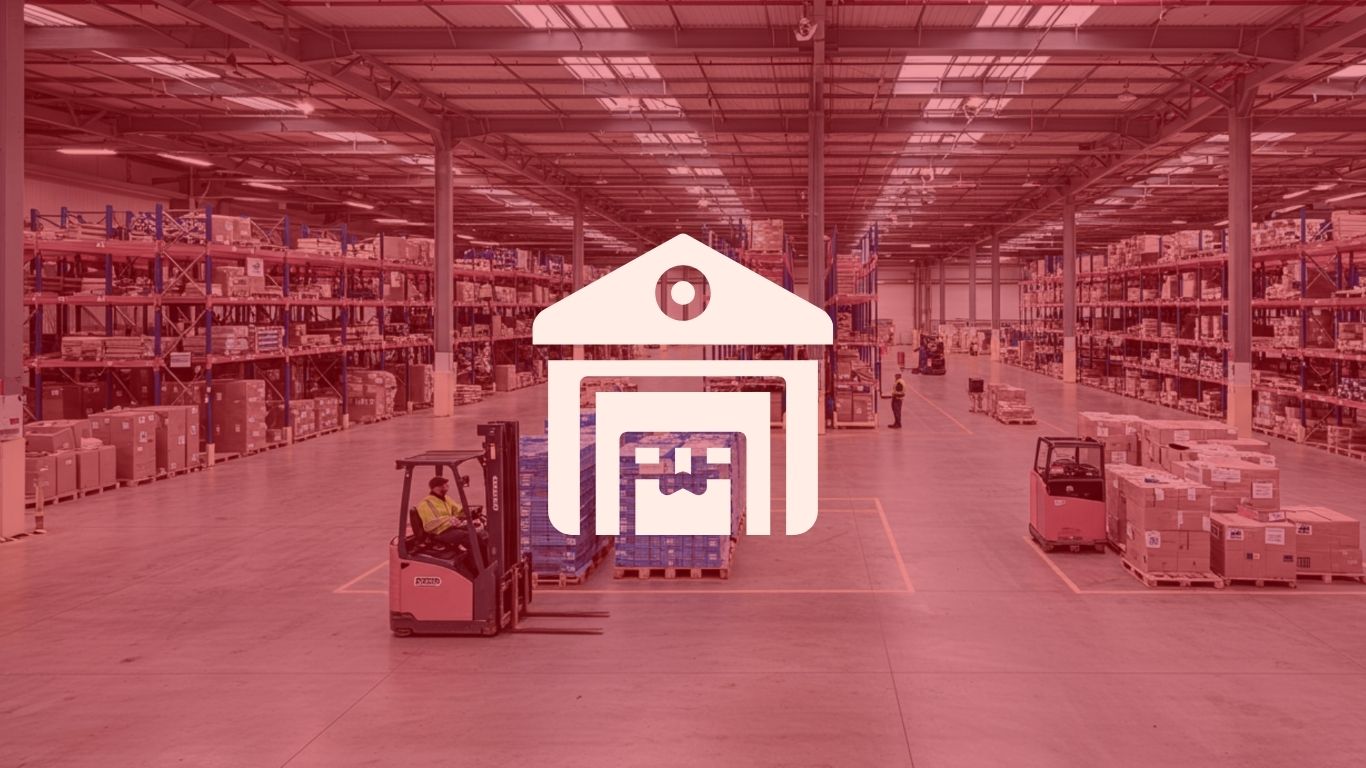
Warehouse storage involves renting space within a large, professionally managed facility. This often comes with a suite of services, such as receiving shipments, inventory management, palletizing, and even order fulfillment.
- Pros: High-level security, logistical support, ideal for bulk storage and oversized items, and often more cost-effective for large volumes. Access is typically managed by the facility staff.
- Best For: E-commerce businesses, large corporations with significant inventory, vehicle storage, and industrial clients needing a robust logistics partner. Shiftraa’s secure warehousing options are a prime example of this comprehensive model.
| Feature | Self-Storage | Warehouse Storage |
| Access | High (often 24/7, DIY) | Managed (by appointment) |
| Best For | Personal items, small business | Bulk inventory, commercial goods |
| Services | Basic (trolleys, supplies) | Comprehensive (logistics, fulfillment) |
| Control | Full control over your unit | Managed by facility professionals |
| Security | Gated access, CCTV, unit locks | Industrial-grade security, staff |
Export to Sheets
10 Key Factors for Choosing the Best Warehouse or Self-Storage Option
Once you know your needs and the type of storage you’re leaning towards, use this checklist to evaluate potential facilities.
1. Security: Protecting Your Valuables is Non-Negotiable
This should be your top priority. Look for multi-layered security systems. Essential features include:
- 24/7 CCTV Surveillance: Cameras should cover all entry points, hallways, and loading areas.
- Perimeter Fencing and Gated Access: Secure access control that requires a personal code or keycard.
- On-Site Staff: The presence of managers during business hours is a significant deterrent to theft.
- Sufficient Lighting: Well-lit corridors and exteriors enhance safety and security.
- Individual Unit Security: High-quality locks and, in some cases, individual unit alarms.
2. Location & Accessibility: Convenience is Key
Consider how often you’ll need to access your belongings. If you need frequent access, a facility close to your home or office is ideal. Also, check the access hours. Some offer 24/7 access, while others are limited to business hours. For larger items or commercial deliveries, ensure the facility can accommodate large trucks.
3. Size Matters: Getting the Right Fit
Don’t pay for space you don’t need. Use your inventory list to estimate the required size. Most facilities offer a range of sizes, from small 5’x5′ lockers to large 10’x30′ units capable of holding the contents of a multi-bedroom house.
- Tip: Use an online storage calculator or an app like the Shiftraa instant quote tool to get a precise estimate of your space requirements.
4. Climate Control: Protecting Sensitive Items
Standard units protect from the elements, but not from temperature and humidity fluctuations. Climate-controlled units maintain a consistent environment, which is essential for:
- Wooden or leather furniture
- Electronics and media (DVDs, vinyl records)
- Artwork and photographs
- Musical instruments
- Important documents and archives
- Pharmaceuticals or certain types of business inventory
Investing in climate control is a small price to pay to prevent warping, mildew, rust, and degradation. For more information on how humidity affects materials, you can consult resources from conservation experts like the Canadian Conservation Institute.
5. Cost and Contracts: Understanding the Fine Print
Price is always a factor, but the cheapest option isn’t always the best. When comparing costs, look beyond the monthly rent. Ask about:
- Administrative fees or security deposits.
- Required insurance costs.
- Penalties for late payments.
- Rent increase policies. Read the rental agreement thoroughly to understand the terms, notice periods, and any restrictions on what you can store.
6. Cleanliness and Pest Control: A Healthy Environment for Your Belongings
A clean facility is a sign of a well-managed one. During a visit, look for signs of dirt, debris, or dampness. Ask about their pest control program. A proactive approach to pest management is crucial to protect your belongings from damage.
7. Customer Service and Reviews: The Human Element
Helpful, professional staff can make a world of difference. Read online reviews on Google and other platforms to gauge the experiences of other customers. Are the staff responsive? Is the facility well-regarded? Good customer service indicates a company that values its clients and their property.
8. Insurance: Are Your Goods Covered?
Most storage facilities require you to have insurance, and it’s a vital safety net. Your homeowner’s or renter’s policy may offer some coverage, but it’s often limited. The facility will typically offer its own insurance plan. Clarify what is covered (fire, theft, water damage) and the deductible amount.
9. Ancillary Services: Beyond Just Space
The best warehouse or self-storage option often provides services that simplify your life. This can include:
- Selling packing supplies (boxes, tape, bubble wrap).
- Offering professional packing and moving services.
- Truck rentals.
- Receiving deliveries on your behalf (common in warehouse storage). Shiftraa excels here by being a comprehensive relocation partner, offering everything from expert packing to domestic and international moving.
10. Scalability: Room to Grow?
This is especially important for business clients. As your business evolves, your storage needs may change. A good facility will make it easy for you to move to a larger or smaller unit without significant hassle or financial penalty.
Common Mistakes to Avoid When Choosing a Storage Solution
- Prioritizing Price Over Security: Choosing the cheapest option without vetting its security can be a costly mistake.
- Underestimating Space: Getting a unit that’s too small leads to clutter and potential damage from cramming items in.
- Skipping a Physical Visit: Photos can be deceiving. Always visit a facility to assess its cleanliness, security, and overall condition.
- Ignoring Climate Control: Failing to protect sensitive items from temperature and humidity can result in irreversible damage.
- Not Reading the Rental Agreement: You must understand your rights and obligations before signing.
How Shiftraa Provides the Best Warehouse and Self-Storage Options
At Shiftraa, we understand that storage is about more than just space—it’s about trust. We’ve built our services around providing secure, flexible, and comprehensive solutions that give our clients total peace of mind.
Tailored Solutions for Every Need
Whether you’re a family needing a small unit for a month or a corporation requiring a large-scale warehousing and logistics partner, we have a solution. We cater to residential, corporate, and industrial clients with the same level of dedication and expertise.
Uncompromising Security and State-of-the-Art Facilities
Our facilities are equipped with 24/7 CCTV, gated electronic access, on-site personnel, and robust fire and pest control systems. We treat your belongings with the same care we would our own.
Transparent Pricing at Your Fingertips
We believe in clarity and honesty. With the Shiftraa app, you can get an instant, transparent quotation for your moving and storage needs without any hidden fees. This empowers you to budget effectively and make informed decisions.
More Than Storage: A Complete Relocation Partner
Why juggle multiple vendors? Shiftraa is your one-stop solution for a hassle-free experience. We offer expert packing, local and domestic moving, international relocation, vehicle transportation, and secure storage—all seamlessly integrated to save you time and stress.
Frequently Asked Questions (FAQ)
Q1: What is the difference between climate-controlled and temperature-controlled storage? Climate control manages both temperature and humidity levels, offering complete protection. Temperature control only regulates the temperature, which may not be enough to prevent damage from moisture in humid climates.
Q2: How much does a storage unit typically cost? The cost varies widely based on size, location, and features like climate control. A small unit might start from ₹2,000 per month, while a large, climate-controlled unit could be ₹10,000 or more. It’s best to get a specific quote for your needs.
Q3: Do I need insurance for my stored items? Yes, absolutely. Reputable facilities require it. It protects your investment against unforeseen events like fire, theft, or water damage.
Q4: Can I store a vehicle in a self-storage unit or warehouse? Yes, many facilities offer dedicated vehicle storage. Warehouses are often ideal for long-term or classic car storage, while larger drive-up self-storage units can also work. Ensure the facility permits this and that you follow their guidelines.
Q5: How can I get a quote from Shiftraa for my storage needs? Getting a quote is easy! You can visit our website, call our customer service team, or download our user-friendly app from the app store for an instant, no-obligation quotation.
Your Partner for Secure and Seamless Storage
Choosing the best warehouse or self-storage option is a significant decision that directly impacts the safety of your belongings. By assessing your needs, understanding your options, and carefully evaluating facilities based on security, cost, and service, you can find a solution that offers true peace of mind.