

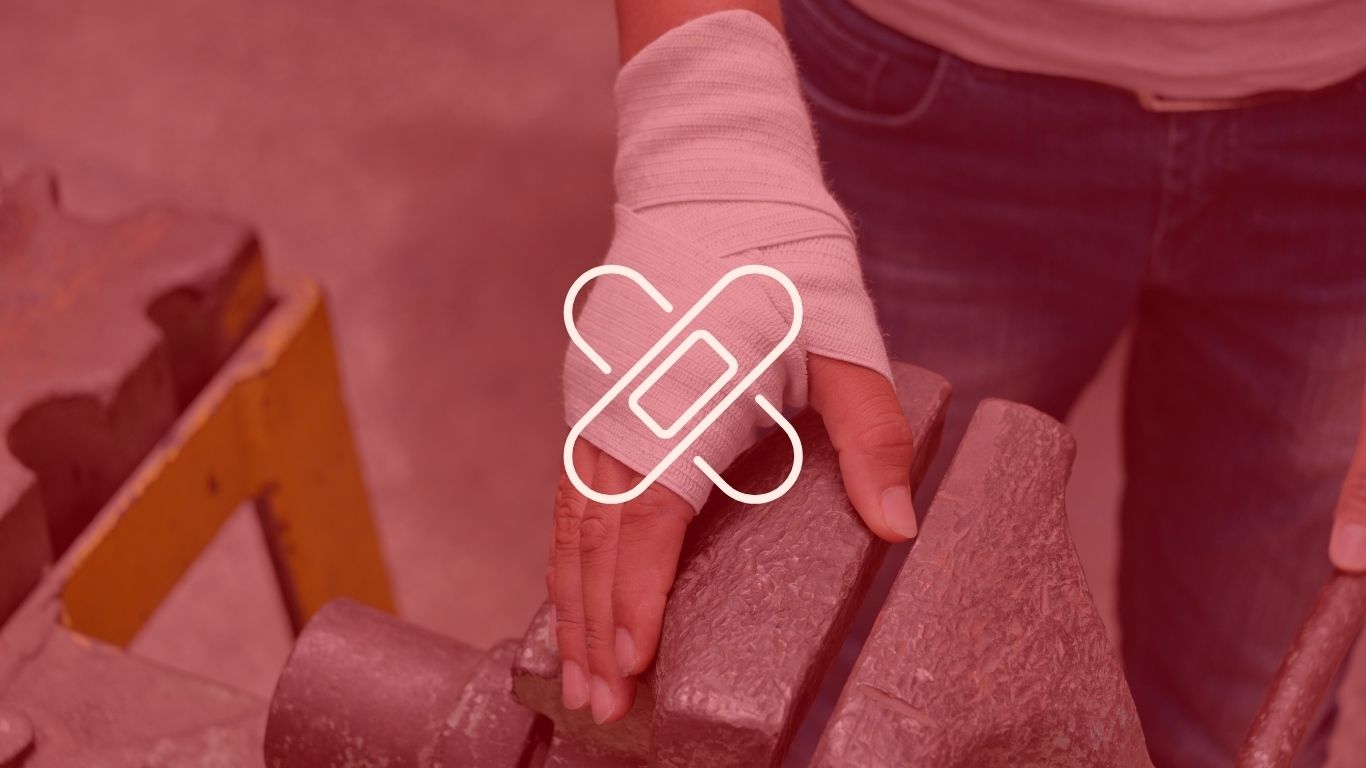
The excitement is palpable. You’ve found the perfect new home or office, and you’re ready for a fresh start. But between the thrill of a new beginning and the moment you finally relax in your new space lies the daunting task of moving. While many focus on the logistics of packing and transport, one critical aspect is often overlooked: personal safety. A DIY move, while seemingly cost-effective, can come with a hidden price—the risk of common moving injuries that can cause pain, stress, and significant financial cost.
These injuries can range from minor cuts and bruises to debilitating back problems that last for years. The physical demands of lifting heavy furniture, carrying awkward boxes, and navigating unfamiliar spaces create a perfect storm for accidents.
At Shiftraa, we believe your move should be a memory of excitement, not an emergency room visit. This comprehensive guide will walk you through the most common moving injuries and provide expert, actionable strategies to ensure your relocation is safe, smooth, and entirely pain-free.
Why Moving Day Can Be a Minefield of Hazards
Moving is a marathon, not a sprint. It involves repetitive motions that your body may not be used to: bending, lifting, twisting, pushing, and pulling for hours on end. Unlike a structured workout at the gym, these movements are often performed in awkward positions and with unbalanced loads (think carrying a bulky armchair down a narrow staircase).
The primary stages where the risk of common moving injuries skyrockets are:
- Packing: Repetitive bending and lifting, plus the risk of cuts from packing tape dispensers and box cutters.
- Lifting Heavy Items: This is the number one cause of serious injury, especially when dealing with furniture, appliances, and overfilled boxes.
- Navigating Obstacles: Stairs, tight corners, cluttered hallways, and uneven surfaces are all tripping hazards.
- Loading/Unloading: Moving items up and down a ramp or liftgate requires balance, strength, and coordination—all of which diminish with fatigue.
Understanding these risks is the first step toward preventing them.
The Top 7 Common Moving Injuries to Watch Out For
Knowledge is power. By familiarizing yourself with these potential injuries, you can be more mindful of your body’s limits and take the necessary precautions.
1. Back Strain and Herniated Discs
The undisputed king of moving injuries is back pain. Lifting a heavy box with your back instead of your legs puts immense pressure on your spine. This can lead to a painful muscle strain or, more seriously, a herniated or slipped disc—where the soft cushion between your vertebrae is pushed out, pressing on nerves. According to the Mayo Clinic, improper lifting is a leading cause of back injuries.
- How it Happens: Twisting while lifting, bending at the waist, or trying to lift something that is simply too heavy.
- Prevention: Always, always lift with your legs. Keep your back straight, your core engaged, and the object close to your body.
2. Muscle Pulls and Sprains
Your ankles, wrists, and shoulders are particularly vulnerable during a move. A simple misstep while carrying a heavy load can lead to a twisted ankle. Losing your grip on a dresser can strain your wrist or shoulder muscles. These injuries, while often less severe than a back injury, can still be incredibly painful and limit your ability to continue the move.
- How it Happens: Tripping over clutter, slipping on surfaces, or overextending a joint while trying to catch a falling item.
- Prevention: Wear sturdy, closed-toe shoes with good grip. Keep all pathways clear of boxes, tools, and debris.
3. Cuts, Scrapes, and Puncture Wounds
These may seem like minor issues, but they can be surprisingly frequent and painful. A slip of a box cutter, a sharp edge on a broken piece of furniture, or an exposed nail can easily slice through the skin. These “nuisance” injuries can become infected if not treated properly, adding another layer of stress to your move.
- How it Happens: Careless use of packing tools, handling broken items, or bumping into sharp corners.
- Prevention: Wear thick work gloves, especially when handling glass, metal, or rough wood. Keep a first-aid kit handy at all times.
4. Hernias from Overexertion
An inguinal hernia occurs when tissue, such as part of the intestine, protrudes through a weak spot in the abdominal muscles. The intense strain of lifting something beyond your capacity is a classic cause. It often presents as a bulge in the groin or abdomen, accompanied by pain, especially when you cough, bend over, or lift a heavy object.
- How it Happens: A single instance of extreme overexertion or repeated strain on the abdomen.
- Prevention: Know your limits. If an item feels too heavy, do not attempt to lift it alone. Use moving equipment or ask for help.
5. Broken Fingers, Toes, and More Serious Fractures
This is the worst-case scenario. Dropping a heavy piece of furniture on your foot can easily break bones. Getting a hand or finger caught between a heavy item and a wall can be catastrophic. A serious fall, especially down a flight of stairs, can result in broken arms, legs, or worse. These are severe common moving injuries that require immediate medical attention and can derail your entire life, not just your move.
- How it Happens: Losing grip on heavy items, serious slips and falls, and crushing accidents.
- Prevention: Use a dolly or hand truck for heavy items. Ensure you have a clear line of sight and communicate clearly when moving large items with a partner.
6. Knee and Joint Pain
The repetitive nature of climbing stairs, squatting to lift boxes, and spending all day on your feet puts enormous stress on your knees and other joints. This can lead to inflammation, soreness, and pain that lingers long after the move is over.
- How it Happens: Repetitive stair climbing, improper squatting technique, and prolonged standing.
- Prevention: Take regular breaks to stretch. Use knee pads if you’ll be spending a lot of time kneeling to pack or assemble furniture.
7. Stress and Exhaustion: The Invisible Injury
Perhaps the most pervasive of all common moving injuries is the mental and physical burnout. Exhaustion leads to poor judgment, carelessness, and weakened muscles, dramatically increasing the risk of every other injury on this list. When you’re tired, you’re more likely to trip, drop something, or use improper lifting form.
- How it Happens: Trying to do too much in too little time, lack of sleep, and poor nutrition/hydration on moving day.
- Prevention: Start planning and packing weeks in advance. Get a good night’s sleep before the move, and remember to eat and drink water throughout the day.
Your Proactive Prevention Plan: A Step-by-Step Guide to a Safe Move
Avoiding injury is all about smart preparation and proper execution. Follow these steps to protect yourself.
Preparation is Everything: Before You Lift
- Declutter First: The less you have to move, the lower your risk of injury. Sell, donate, or discard items you no longer need weeks before the move.
- Invest in the Right Gear: Don’t try to be a hero. Rent or buy proper moving equipment. This includes:
- A sturdy hand truck or dolly for heavy items.
- Furniture sliders for easy maneuvering on floors.
- Moving straps/harnesses to distribute weight.
- Thick work gloves and closed-toe, non-slip shoes.
- Plan Your Path: Before you move anything, walk the route from room to truck. Measure doorways and tight corners. Clear all pathways of rugs, toys, and clutter to create an obstacle-free zone.
Mastering the Art of Safe Lifting
How you lift is the single most important factor in preventing back injuries. Burn this technique into your memory:
- Assess the Load: Test the weight by pushing the object slightly. If it’s too heavy or awkward, get help.
- Get a Wide Stance: Plant your feet firmly on the ground, shoulder-width apart, for a stable base.
- Squat Down: Bend at your knees and hips, NOT your waist. Keep your back straight, chest up, and shoulders back.
- Grip Firmly: Get a secure hold on the object with both hands.
- Lift with Your Legs: Drive the lift straight up with your powerful leg muscles. Keep the load close to your body, near your center of gravity.
- Move Carefully: Take small, steady steps. Never twist your torso while carrying a load. To turn, pivot with your feet.
- Set it Down: Reverse the process by squatting down with your legs and hips, keeping your back straight.
Smart Packing Strategies for Injury Prevention
Safety starts before the first box is even lifted. Our professional packing services team uses these principles every day.
- Use the Right Boxes: Pack heavy items like books and tools in small boxes. Use larger boxes for light, bulky items like pillows and linens.
- Watch the Weight: A packed box should never weigh more than 20 kg (approx. 45 lbs). It’s better to have more manageable boxes than fewer, heavier ones.
- Label Everything: Clearly mark boxes that are “HEAVY” so no one is caught off guard. Label fragile items to ensure they are handled with extra care.
Staying Safe on the Big Day
- Stay Hydrated and Fueled: Keep water bottles and healthy snacks (like fruit and nuts) easily accessible. Dehydration and low blood sugar lead to fatigue and weakness.
- Pace Yourself: Don’t try to do everything at once. Schedule regular breaks to rest, stretch, and rehydrate.
- Keep Kids and Pets Secure: The chaos of moving day is a dangerous environment for children and pets. Arrange for them to stay with a friend or designate a single, closed-off “safe room” for them with toys and water.
The Ultimate Safety Net: Why Hiring Shiftraa is Your Smartest Move
After reading this list of common moving injuries, you might be feeling a little overwhelmed. The truth is, the safest, most effective way to avoid injury is to not do the heavy lifting at all. That’s where the experts at Shiftraa come in.
Hiring a professional moving company isn’t a luxury; it’s an investment in your health and well-being.
- Trained Professionals: Our moving crews are not just strong; they’re trained in the correct techniques for lifting and carrying all types of furniture and items. They understand body mechanics and risk prevention.
- Proper Equipment: We arrive with a full suite of professional-grade equipment—heavy-duty dollies, ramps, moving blankets, and straps—to move your belongings safely and efficiently, something the average DIY mover doesn’t have.
- Efficiency: What might take you and your friends an entire weekend of back-breaking labor, our experienced team can often accomplish in a matter of hours. This drastically reduces the time you’re exposed to potential hazards.
- Full Insurance: In the unlikely event of an accident, Shiftraa is fully insured. If you injure yourself during a DIY move, the medical bills, lost wages, and recovery time are all on you.
- Peace of Mind: The most significant benefit is eliminating stress. Instead of worrying about throwing out your back, you can focus on the excitement of setting up your new home or office.
Your belongings are valuable, but your health is priceless. Don’t risk turning an exciting new chapter into a painful ordeal.
Move Smart, Not Hard
Moving day will always be a big job, but it doesn’t have to be a dangerous one. The most common moving injuries are almost always preventable with proper planning, the right techniques, and a realistic understanding of your physical limits.
By preparing ahead of time, using your legs instead of your back, and packing smartly, you can significantly reduce your risk. However, for a truly worry-free and safe relocation experience—whether it’s across town, across the country, or across the globe—the smartest choice is to entrust the experts.
Ready to trade the risk of injury for a seamless, stress-free relocation? and let our professional team handle the heavy lifting for you. Move smart, move safe, move with Shiftraa.