

Moving to a new home is an exciting chapter, but the process can feel overwhelming. Amidst packing boxes and coordinating logistics, one of the most commonly overlooked areas is the kitchen—specifically, the pantry, fridge, and freezer. Deciding what to do with food items before moving can be a surprisingly complex task that, if not managed well, can lead to waste, added costs, and unnecessary stress.
At Shiftraa, we’ve managed thousands of relocations for homes, offices, and industrial clients, both locally and internationally. We understand that a seamless move is all in the details. This comprehensive guide will walk you through everything you need to know about managing your food inventory, ensuring your transition is as smooth and efficient as possible.
1. The Golden Rule: Start Early (4-6 Weeks Before Your Move) {https://www.google.com/search?q=%23start-early}
Procrastination is the enemy of a smooth move. When it comes to your kitchen, the single most effective strategy is to start planning at least a month in advance. Why?
- Reduces Waste: It gives you ample time to consume what you have, preventing you from throwing away perfectly good food.
- Saves Money: You’ll buy fewer groceries in the weeks leading up to the move and avoid paying movers to transport heavy canned goods you could have used.
- Lowers Stress: A last-minute scramble to clear out a full fridge and pantry is a recipe for disaster. A gradual approach is far more manageable.
Create a simple timeline. Four weeks out, take a full inventory. Three weeks out, start the “eat down” challenge. One week out, pack your non-perishables and arrange donations. This structured approach turns a daunting task into a series of simple steps.
2. The Great Pantry Audit: A 3-Step Sorting System {https://www.google.com/search?q=%23pantry-audit}
Before you can make a plan, you need to know what you’re working with. It’s time to take everything—and we mean everything—out of your pantry, cupboards, refrigerator, and freezer. As you do, sort each item into one of three categories using labeled boxes or designated counter space.
1: What Food Items to Keep {https://www.google.com/search?q=%23keep}
These are the items that are worth the effort and cost to move. Generally, this category includes:
- Unopened, Non-Perishable Goods: Canned soups, vegetables, pasta, rice, sealed bags of flour and sugar, and other dry goods.
- Spices and Seasonings: These are often expensive to replace. Ensure all lids are tightly secured. A little tape over the shaker tops can prevent a messy surprise.
- Unopened Oils and Vinegars: Check for secure caps. If a bottle has been opened, it’s often better to use it up or discard it to avoid leaks.
- High-Value Items: Speciality ingredients, expensive liquors, or gourmet foods that you don’t want to leave behind.
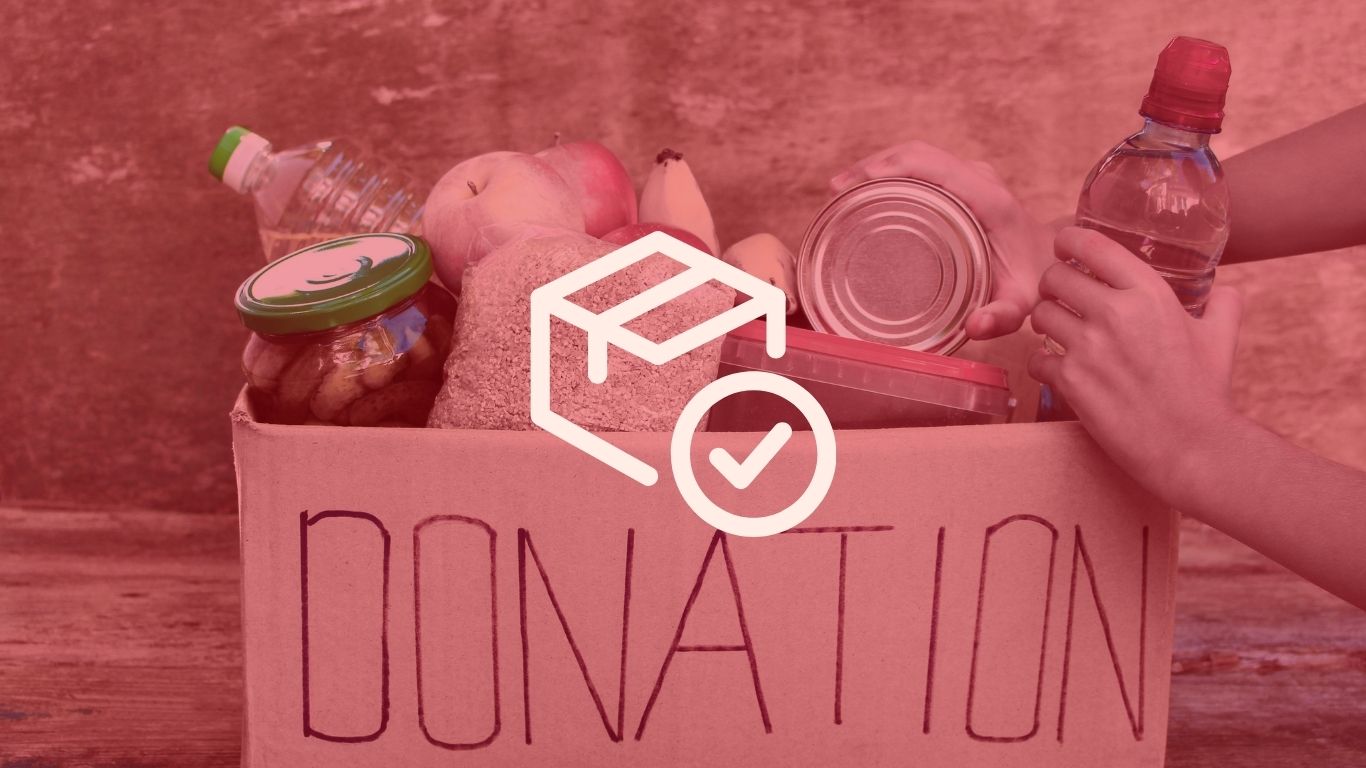
2: What Food Items to Donate {https://www.google.com/search?q=%23donate}
Moving is a fantastic opportunity to support your local community. Food banks and shelters are always in need of donations. The best items to donate are:
- Unopened and Unexpired Non-Perishables: Canned goods, dry pasta, rice, cereal, peanut butter, and granola bars are excellent choices.
- Anything You Won’t Use: That can of artichoke hearts you bought for a recipe you never made? Someone else can use it.
3: What Food Items to Discard {https://www.google.com/search?q=%23discard}
Be ruthless here. Moving is a fresh start, and that includes your pantry. Throw away:
- Anything Expired: Check those “best by” dates.
- Open Containers: Half-eaten bags of chips, open jars of sauce, or boxes of cereal can attract pests and are not hygienic to move.
- Frozen Food (for most moves): Unless you’re moving just down the street, it’s nearly impossible to transport frozen items safely without them thawing and spoiling.
- Refrigerated Perishables: Items like milk, yogurt, fresh meat, and most produce should be consumed or discarded before moving day.
3. Embrace the Challenge: “Eat Down the Pantry” {https://www.google.com/search?q=%23eat-down}
Once you’ve sorted everything, focus on the “Keep” and “Discard (Perishables)” piles. For the next few weeks, your mission is to cook and eat strategically. Turn this into a fun challenge for your family.
- Meal Plan: Base your weekly meals around the ingredients you need to use up. Have a lot of pasta and canned tomatoes? It’s Italian week!
- Get Creative: Search for recipes using the specific ingredients you have on hand. You might discover a new family favorite.
- Host a “Pantry Purge” Party: Invite friends over for a farewell dinner and use up your remaining perishables and open bottles.
- Freeze Strategically: In the early weeks, you can freeze meals made from ingredients you need to use. Just be sure to consume them before the final week of your move.
4. Packing Your Pantry Like a Pro: A Mover’s Guide {https://www.google.com/search?q=%23packing-pro}
Properly packing your food items before moving is crucial to prevent spills, breakage, and contamination. As relocation experts, we at Shiftraa recommend a systematic approach.
Essential Packing Supplies for Food Items {https://www.google.com/search?q=%23supplies}
- Sturdy, Small-to-Medium Boxes: Heavy items like cans should go in small boxes to keep them liftable.
- Packing Paper and Bubble Wrap: For protecting glass jars and bottles.
- Strong Packing Tape: To seal boxes securely.
- Resealable Plastic Bags: For spices and small items to contain any potential spills.
- Permanent Markers: To label boxes clearly (e.g., “KITCHEN – SPICES,” “PANTRY – CANS”).
How to Pack Non-Perishables Securely {https://www.google.com/search?q=%23pack-non-perishables}
- Glass Jars: Wrap each jar individually in packing paper. Place them upright in the box and fill any gaps to prevent shifting.
- Canned Goods: Line the bottom of a small, sturdy box with packing paper. Cans can be stacked, but don’t make the box too heavy. A good rule of thumb is to keep the weight under 15 kg.
- Boxed Goods: Tape any open flaps on items like cereal or cake mix to prevent them from opening during transit.
- Spices: Group them together. Tape the lids shut and place them in a small box or a resealable bag before boxing them up.
Handling Perishables for Local Moves {https://www.google.com/search?q=%23pack-perishables}
If you are moving within the same city, you might be able to transport some refrigerated items.
- Use a cooler with plenty of ice packs.
- Pack these items last, right before you leave your old home.
- Unpack them first and get them into the refrigerator at your new home immediately.
The Definitive No-Go List: What Not to Pack {https://www.google.com/search?q=%23no-go}
Professional moving companies, including Shiftraa, have a list of non-allowable items they cannot transport for safety and insurance reasons. For food, this almost always includes:
- Perishable Foods: Anything that requires refrigeration or freezing.
- Open Containers: This prevents spills and pest infestations in the moving truck.
- Glass Jars Prone to Leaking: Even if you tape them, the risk is often too high.
Always confirm with your moving coordinator what is and isn’t allowed. This avoids any surprises on moving day.
5. The Donation Station: Giving Back to Your Community {https://www.google.com/search?q=%23donation-station}
Donating your excess, non-perishable food is a wonderful way to reduce waste and help those in need.
- Find a Local Food Bank: Organizations like Feeding India (a DoFollow external link) have networks across the country. A quick online search will help you find a local charity, shelter, or religious organization that accepts food donations.
- Check Donation Guidelines: Make sure you know what items they accept and what their drop-off hours are.
- Consider Move For Hunger: This incredible organization (another DoFollow external resource) partners with moving companies to collect food donations from people who are moving and deliver them to local food banks. Ask your Shiftraa representative if this is an option for your move.
6. The “First Night” Essentials Box: Your Culinary Lifesaver {https://www.google.com/search?q=%23first-night}
After a long day of moving, the last thing you’ll want to do is hunt through dozens of boxes for a coffee mug or a snack. Prepare a dedicated “First Night” box and keep it with you in your car.
What to include:
- Instant coffee or tea bags
- Snacks (granola bars, crackers, nuts)
- Bottled water
- Paper plates, cups, and disposable cutlery
- A jar of pasta sauce and a box of pasta (an easy first meal!)
- Paper towels and a garbage bag
This small bit of preparation will feel like a lifesaver when you arrive at your new, empty kitchen.
7. Special Considerations for Different Types of Moves {https://www.google.com/search?q=%23special-considerations}
Your strategy for handling food items before moving will change significantly based on the distance of your relocation.
Local Moves {https://www.google.com/search?q=%23local-moves}
You have the most flexibility here. With a cooler and careful planning, you can transport refrigerated items and even frozen foods if the journey is short. The goal is to minimize transit time and get them into the new fridge or freezer as quickly as possible.
Domestic Long-Distance Moves {https://www.google.com/search?q=%23domestic-moves}
For a move across the country, it’s best to adopt a no-perishables policy. The risk of spoilage over several days in a moving truck is too high. It is far more cost-effective and safer to use up, donate, or discard all refrigerated and frozen goods and restock when you arrive. Your move will be lighter, and you won’t have to worry about unpleasant odours or spoiled food upon arrival.
International Moves {https://www.google.com/search?q=%23international-moves}
Moving food internationally is highly complex and generally not recommended. Here’s why:
- Customs and Regulations: Most countries have strict regulations about importing food products, especially fresh produce, meat, and dairy. Your shipment could be delayed, fined, or even destroyed at the border.
- High Cost: Shipping heavy food items across the globe is extremely expensive.
- Risk of Spoilage: The long transit times make spoilage a near certainty for anything not perfectly sealed and shelf-stable.
For international clients, our advice at Shiftraa’s International Moving Services (an internal link) is always to start fresh. Embrace the opportunity to explore the local grocery stores and markets in your new country.
A Fresh Start in Your New Kitchen
Managing your kitchen inventory is a critical part of a successful move. By starting early, conducting a thorough audit, planning your meals, and packing smartly, you can significantly reduce stress, save money, and minimize waste. This thoughtful approach to handling your food items before moving sets the stage for a positive and organized start in your new home.
With a solid plan in place, you’re one step closer to a smooth, hassle-free relocation. At Shiftraa, we handle the heavy lifting, transportation, and logistics so you can focus on the exciting journey ahead.