

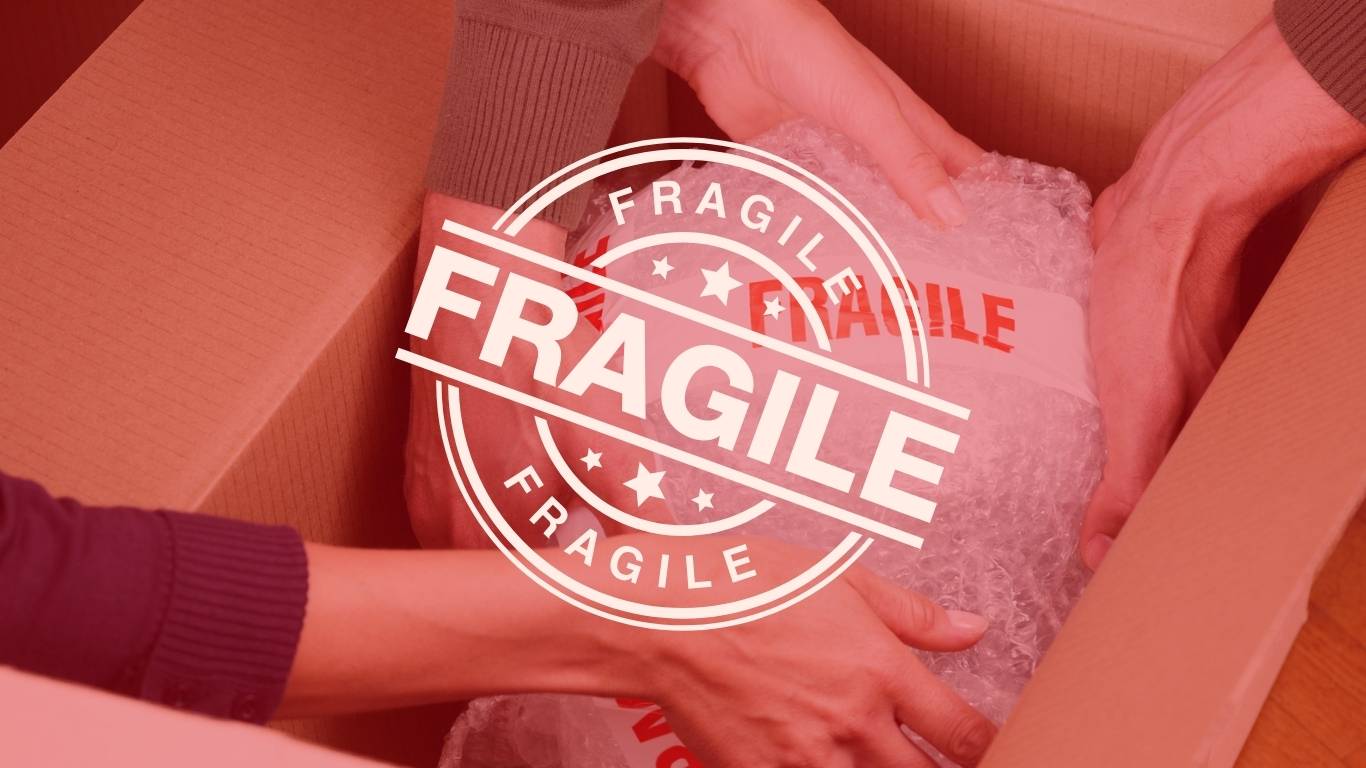
Moving, whether it’s across the street, across the country, or across the globe, can be an exciting new chapter. However, the thought of packing delicate and irreplaceable items often fills us with dread. From cherished heirlooms and antique glassware to valuable electronics and intricate artwork, fragile possessions require special attention and meticulous care to ensure they arrive at their new destination intact.
At Shiftraa, we understand the anxieties associated with moving fragile items. As trusted packers, movers, and storage experts for homes, offices, and vehicles – locally, domestically, and internationally – we’re dedicated to making your relocation as smooth and stress-free as possible. This comprehensive guide will walk you through the essential steps and professional techniques for packing fragile items like a pro, safeguarding your valuables every step of the way.
Why Proper Fragile Packing is Non-Negotiable
Ignoring proper packing techniques for fragile items is an open invitation to disaster. A broken family heirloom, a shattered mirror, or a damaged electronic device can lead to significant financial loss and emotional distress. Beyond the immediate damage, improper packing can also cause delays, disputes with movers (if not properly documented), and the added stress of replacement or repair. Investing time and effort into professional-level packing not only protects your belongings but also provides invaluable peace of mind.
Essential Packing Supplies for Fragile Items
Before you even think about wrapping your first delicate item, gathering the right packing supplies is crucial. High-quality materials provide the necessary cushioning and protection. Here’s a checklist of what you’ll need:
- Sturdy Moving Boxes: Opt for double-walled or heavy-duty moving boxes, especially for heavier fragile items. These offer superior protection compared to standard single-walled cartons. Look for specific boxes designed for dishes, glassware, and electronics.
- Packing Paper/Newsprint (Unprinted): Ideal for wrapping individual items and filling small gaps. Ensure it’s unprinted to avoid ink transfer onto your belongings.
- Bubble Wrap: A classic for a reason. Bubble wrap provides excellent cushioning and shock absorption. Available in various bubble sizes (small for delicate items, large for bulkier ones).
- Packing Peanuts/Loose Fill: Great for filling empty spaces in boxes and providing an extra layer of shock absorption. Choose biodegradable options for an eco-friendly approach.
- Foam Sheets/Pads: Perfect for wrapping flat, delicate items like picture frames, mirrors, and tabletops, preventing scratches and breaks.
- Strong Packing Tape: Essential for sealing boxes securely. Invest in high-quality packing tape that won’t easily tear or lose adhesion.
- Markers: For clear and concise labeling of boxes.
- Scissors/Box Cutter: For cutting packing materials.
- Moving Blankets/Furniture Pads: Useful for wrapping larger fragile items like furniture with delicate finishes, or for lining the bottom and top of boxes.
- Dish Pack/Cell Kit Inserts: Specialized cardboard dividers that create individual compartments within a box, perfect for dishes, glasses, and other kitchenware.
Step-by-Step Guide: How to Pack Fragile Items Like a Pro
Now, let’s delve into the specific techniques for packing different types of fragile items. Remember, the golden rule is always: wrap, cushion, and label.
1. Preparing Your Workspace and Items
- Clear a Spacious Area: Designate a clean, well-lit, and spacious area for packing. This allows you to spread out your supplies and work efficiently.
- Clean and Dry Items: Ensure all items are clean and completely dry before packing. Moisture can lead to damage or mold during transit.
- Gather All Components: For electronics or items with multiple parts, gather all accessories, cables, and remote controls. Label them and pack them with the main item if possible, or in a clearly marked accessory box.
2. Packing Glassware and Dishes
This category is often the most anxiety-inducing, but with the right technique, your stemware and plates will arrive gleaming.
- Individual Wrapping: Each piece of glassware, china, or ceramic must be individually wrapped.
- Glasses/Cups: Crumple a sheet of packing paper and stuff it inside the glass. Then, lay the glass on its side on a few sheets of paper. Roll the glass firmly, tucking in the ends of the paper as you roll. Secure with tape if needed.
- Plates/Saucers: Wrap each plate individually in 2-3 sheets of packing paper. Place the plate in the corner of a stack of paper and fold the paper diagonally over the plate, tucking in the corners. You can also stack plates (max 3-4) with a sheet of foam or bubble wrap between each, then wrap the entire stack.
- Utilize Dish Packs/Cell Kits: These specialized boxes with dividers are highly recommended for dinnerware.
- Cushioning the Box:
- Line the bottom of the box with a generous layer (2-3 inches) of crumpled packing paper, bubble wrap, or foam peanuts.
- Placement: Place plates vertically on their edges, like records in a crate. This distributes shock more effectively than stacking them flat. Place heavier items at the bottom.
- Glasses: Place glasses upright, not inverted, in the cell dividers.
- Fill Gaps: Fill any remaining spaces with crumpled packing paper or packing peanuts to prevent shifting during transit.
- Top Cushioning: Add another 2-3 inches of cushioning material on top before sealing.
3. Packing Mirrors, Picture Frames, and Artwork
These flat, often large items are susceptible to cracks and punctures.
- Cross Tape Glass: For framed items with glass, apply painter’s tape in a large “X” pattern across the glass. This won’t prevent breakage but will hold shards together if the glass shatters, making cleanup safer.
- Corner Protection: Use cardboard corner protectors or create your own by folding and taping cardboard pieces.
- Wrap Thoroughly: Wrap the entire item in several layers of bubble wrap. For larger pieces, use foam sheets first, then bubble wrap.
- Custom Boxes (if necessary): For very large or valuable artwork, consider custom-built wooden crates from your movers.
- Flat Packing: Pack framed items vertically in a strong, adequately sized box. Avoid packing them flat unless the box is designed for it and provides substantial support.
- Cushioning: Line the box with packing paper or bubble wrap, and fill any gaps to prevent movement. For multiple frames in one box, place a sheet of cardboard or foam between each.
4. Packing Electronics
Electronics, especially sensitive components like TVs, computers, and stereos, require careful handling.
- Original Packaging (Ideal): If you still have the original boxes with their custom-fit foam inserts, use them! They are designed specifically for safe transport.
- Document Connections: Before unplugging, take photos of cable connections. Label cables clearly to make reassembly easier.
- Secure Small Parts: Place all cables, remotes, and accessories in a clearly labeled bag and pack them with the main unit or in an “essentials” box.
- Wrap Individual Components: Wrap each electronic item in anti-static bubble wrap (if available) or regular bubble wrap.
- Generous Cushioning:
- Line the bottom of a sturdy box with several inches of crumpled packing paper or packing peanuts.
- Place the electronic item in the center.
- Fill all surrounding spaces with packing peanuts or crumpled paper, ensuring the item is snug and cannot shift.
- Add a top layer of cushioning.
- TVs: Flat-screen TVs are extremely delicate.
- Use a specialized TV box.
- Remove the stand if possible and wrap it separately.
- Wrap the TV in moving blankets, foam sheets, and/or multiple layers of large bubble wrap.
- Secure it tightly within the TV box, filling any voids.
- Always transport flat-screen TVs upright.
5. Packing Lamps and Lampshades
Lamps are often awkward shapes, and lampshades are easily dented or creased.
- Disassemble: Remove the lampshade, light bulb, and harp (the metal U-shaped piece).
- Wrap Components Separately:
- Wrap the base in several layers of packing paper or bubble wrap.
- Wrap the harp and light bulb (if keeping) in paper and place them in a small, labeled bag.
- Lampshades: These are the most fragile. Never pack anything inside a lampshade or stack them without ample protection. Wrap each lampshade in 2-3 layers of packing paper and place it gently in its own sturdy box, or a box with other lightweight, non-fragile items that won’t crush it. Avoid tape directly on the shade.
- Box the Base: Place the wrapped lamp base in a sturdy box, cushioning it generously with crumpled paper or packing peanuts.
6. Packing Collectibles and Valuables
For truly invaluable or irreplaceable items like sculptures, antique clocks, or delicate figurines, consider these extra precautions:
- Professional Appraisal/Insurance: Get high-value items appraised and discuss transit insurance options with Shiftraa.
- Individual Boxes: Each highly valuable item should ideally have its own custom-sized box.
- Double Boxing (Crating): For extremely fragile or valuable items, “double boxing” is recommended. Pack the item securely in a smaller, well-cushioned box. Then, place this smaller box inside a larger box, filling the space between the two boxes with plenty of packing peanuts or crumpled paper. This creates an extra layer of shock absorption.
- Specialty Movers: For exceptionally large, heavy, or delicate items (e.g., grand pianos, large marble statues), Shiftraa can arrange for specialized crating and handling services.
The Power of Proper Labeling
This step is often overlooked but is absolutely critical for fragile items.
- “FRAGILE” in Big Letters: Clearly write “FRAGILE” in large, bold letters on at least two sides and the top of every box containing delicate items.
- “THIS SIDE UP”: For items that must remain upright (e.g., TVs, some artwork), clearly mark “THIS SIDE UP” with directional arrows.
- Room Designation: Write the intended room for the box (e.g., “Kitchen – Fragile,” “Living Room – Artwork”) to facilitate easy placement at your new location.
- Contents (Briefly): A brief description of the contents can also be helpful (e.g., “China Plates,” “Glassware,” “TV”).
Loading and Transporting Fragile Items
Even perfectly packed items can be damaged if mishandled during loading and transport.
- Load Last, Unload First: Fragile boxes should generally be loaded last into the moving truck and unloaded first. This minimizes the time they spend under heavy loads.
- Top Loading: Always place fragile boxes on top of heavier, non-fragile items. Never stack heavy boxes on top of fragile ones.
- Secure Movement: Ensure boxes are packed tightly in the truck to prevent shifting during transit. Use moving blankets or furniture pads to create barriers and fill gaps.
- Professional Movers: This is where Shiftraa truly shines. Our experienced teams are trained in the careful handling, loading, and securing of all types of items, especially fragile and valuable possessions. We use proper equipment and techniques to ensure safe transit.
Utilizing Shiftraa’s Storage Solutions for Fragile Items
Sometimes, your new space isn’t ready, or you need temporary storage for certain items. Shiftraa offers secure and climate-controlled warehouse storage solutions perfect for fragile belongings.
- Climate Control: Protects sensitive items like electronics, artwork, and wooden furniture from extreme temperature fluctuations and humidity, which can cause warping, cracking, or mold.
- Security: Our warehouses are equipped with robust security systems, ensuring your valuable fragile items are safe from theft and damage.
- Professional Handling: When storing with Shiftraa, you benefit from our professional packing and handling expertise, ensuring your items are prepared and stored correctly for their duration in the facility.
Shiftraa: Your Partner in Stress-Free Relocation
Packing fragile items doesn’t have to be a source of stress. By following these professional guidelines and partnering with experienced movers, you can ensure your cherished possessions arrive safely at their new home.
At Shiftraa, we pride ourselves on being your trusted packers, movers, and storage experts. Whether you’re moving your home, office, or even vehicles – locally, domestically, or internationally – our dedicated team is committed to providing seamless, secure, and efficient relocation services. From providing the right packing materials to expertly loading and transporting your most delicate items, we handle every detail with care and precision.
Don’t leave the safety of your fragile items to chance. Contact Shiftraa today for a personalized moving quote and let us help you experience a truly professional and worry-free relocation. Visit shiftraa.com to learn more about our comprehensive services and how we can make your next move your best move.