

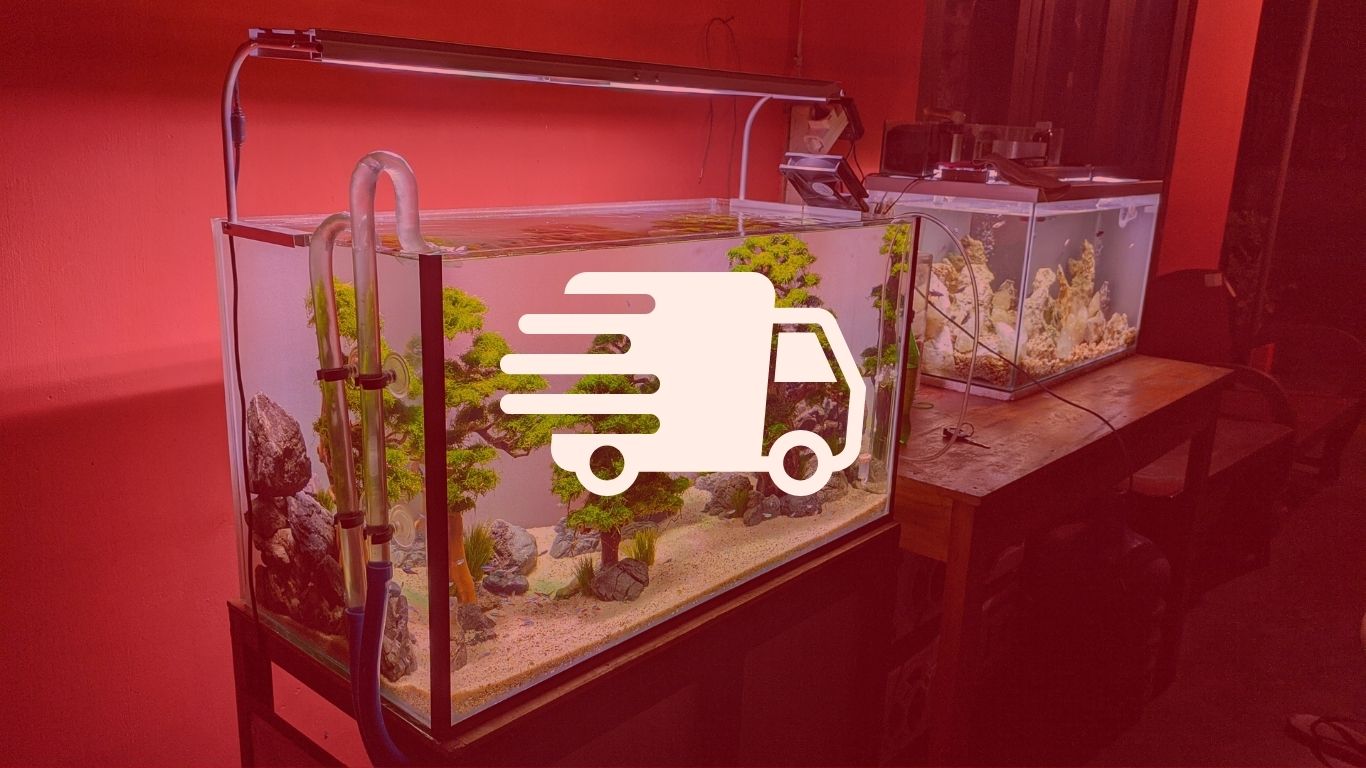
Moving homes is a significant undertaking, but moving with large aquariums elevates the challenge to a whole new level. Your magnificent aquatic ecosystem is more than just a piece of furniture; it’s a living, breathing environment that represents a substantial investment of time, passion, and money. The thought of relocating this fragile glass world, with its delicate inhabitants and complex biological balance, can be daunting.
But it doesn’t have to be a source of anxiety. With meticulous planning, the right supplies, and a clear understanding of the logistics involved, you can ensure a safe and successful move for both your tank and your aquatic pets.
At Shiftraa, we are experts in handling high-value, delicate items, and we understand that your aquarium is a prized possession. This comprehensive guide will walk you through every step of the process, providing actionable tips and expert advice to make your aquarium‘s journey as smooth as your own.
Why Moving a Large Aquarium is a Task for Experts
Before diving into the “how,” it’s important to understand the “why.” Why is moving a large fish tank so complex? Unlike a sofa or a bookshelf, an aquarium move involves several critical, interconnected factors:
- Extreme Weight and Fragility: A large aquarium (75 gallons or more) can weigh hundreds, if not thousands, of pounds when empty. The combination of immense weight and fragile glass or acrylic panels makes it a high-risk item to move without proper equipment and manpower.
- A Delicate Ecosystem: Your tank isn’t just water and fish. It’s a balanced ecosystem thriving with beneficial bacteria, primarily in the filter and substrate. Preserving this bacteria is the single most important factor in preventing a catastrophic “new tank syndrome” at your destination.
- Stress to Aquatic Life: Fish are highly sensitive to changes in their environment. The vibrations, temperature fluctuations, and water chemistry changes during a move can cause significant stress, leaving them vulnerable to disease.
- Logistical Complexity: The process involves careful disassembly of life support systems, packing numerous wet and heavy components, and then a precise reassembly at the new location, all within a tight timeframe to ensure the survival of your fish.
Given these challenges, for any aquarium over 55 gallons, seeking professional help from a company like Shiftraa, which specializes in delicate relocations, is often the safest and most efficient choice.
1: The Crucial Pre-Move Planning (2-4 Weeks Before Moving Day)
Success lies in preparation. Rushing the process is the surest way to encounter problems. Start planning at least a month before your moving date.
1: Gather Your Aquarium Moving Supplies
Having everything on hand before you begin will prevent a frantic scramble on moving day. Create a dedicated “Aquarium Move Kit.”
Checklist of Essential Supplies:
- Clean, 5-gallon buckets with secure lids (food-grade is best)
- Fish-safe nets
- Fish transport bags (ask your local pet store) or small containers/specimen cups
- A siphon hose for draining the tank
- Insulated containers or polystyrene coolers to transport fish and maintain temperature
- Battery-powered air pumps with air stones
- Ziploc bags for filter media and plants
- Old towels and tarps for inevitable spills
- Packing tape, bubble wrap, and moving blankets
- A dedicated dolly or hand truck for the empty tank
2: Prepare Your Aquatic Life
Begin conditioning your fish for the move.
- Reduce Feeding: Stop feeding your fish 24-48 hours before the move. This minimizes the ammonia they produce in waste, which can quickly become toxic in the small volume of transport water.
- Health Check: Observe your fish closely. A move is stressful, so you want them to be in peak condition. If you have particularly sensitive or valuable species, consider a consultation with an aquatic veterinarian for advice.
- Water Change: Perform a 25% water change about a week before the move. Avoid any major changes right before the move to keep the environment stable.
3: Plan the New Location
Don’t wait until you arrive with a 500-pound tank to figure out where it goes.
- Weight Bearing: Confirm that the floor in the new location can support the immense weight of a full aquarium. A 125-gallon tank can easily exceed 1,500 pounds (680 kg). Position it over floor joists or on a ground floor if possible.
- Level Surface: Use a spirit level to ensure the spot is perfectly flat. An uneven surface creates stress points on the glass, which can lead to cracks and leaks.
- Accessibility: Measure doorways, hallways, and stairwells to ensure the empty tank will fit through.
4: Contact the Professionals
This is the ideal time to get a quote. When you contact a professional moving company, be upfront about the size and type of your aquarium. An expert team like Shiftraa can integrate the aquarium move seamlessly into your overall relocation plan, ensuring they arrive with the right equipment and manpower. Get your instant, transparent quotation today.
2: The Moving Day Breakdown (The Day Before & Day Of)
This is where the action happens. Work methodically and stay calm.
5: Prepare the Water
Your tank’s water is liquid gold. Siphon 75-80% of the aquarium water into your clean 5-gallon buckets and seal them. Keeping this water is vital for preserving the established water chemistry and reducing shock for your fish upon reassembly.
6: Safely Catch and Transport Your Fish
With the water level lowered, it’s time to move the inhabitants.
- Use some of the siphoned tank water to fill your transport bags or containers.
- Gently net your fish, causing as little stress as possible. Place one or two fish per bag, depending on size.
- For bags, fill them one-third with water and two-thirds with air. Secure them tightly with rubber bands.
- Place the bags or containers inside insulated coolers to protect them from temperature swings and light.
- For moves longer than an hour, use a battery-powered air pump to provide crucial oxygenation.
7: Pack the Live Plants and Decorations
Remove all decorations and live plants. Place live plants in bags with a bit of tank water to keep them moist. Clean, dry, and carefully wrap hardscape items like rocks and driftwood to prevent them from cracking the tank if they shift during transport.
8: Preserve Your Biological Filter
This is the most critical step. The vast majority of your tank’s beneficial bacteria, which process deadly ammonia and nitrite, live in your filter media (sponges, ceramic rings, bio-balls).
- Remove the filter media.
- Immediately place it in a sealed bag or bucket filled with the tank water you saved.
- This colony of bacteria can only survive for a few hours without oxygen and water flow. It must be one of the last things you pack and one of the first things you set up.
9: Drain and Pack the Substrate
Scoop out the remaining gravel or sand into buckets. Be warned: wet substrate is incredibly heavy. You can either keep it “live” with its bacteria by adding a bit of tank water or rinse it thoroughly before packing (though keeping it live is preferable for a quicker cycle).
10: Clean and Secure the Empty Tank
Once the tank is completely empty, give the interior a final wipe-down with a clean cloth. Never use soap or chemical cleaners. This is where the professionals take over. The Shiftraa team will use heavy-duty moving blankets, protective padding, and specialized dollies to wrap and secure the tank, ensuring it is protected from bumps and vibrations during its journey. Our professional packing services guarantee your valuable tank is in the safest hands.
3: Reassembly and Acclimation at Your New Home
The goal is to get the tank up and running as quickly as possible.
11: Set Up the Stand and Tank
Position the stand in its pre-planned, level spot. With the help of your movers, carefully place the empty tank on top. Double-check that it is level from front-to-back and side-to-side.
12: Add Substrate and Equipment
Add the substrate back into the tank, sloping it as desired. Reinstall your heater, filter intake/outflow, and other internal equipment, but do not plug anything in yet.
13: Add Water and Decorations
Begin refilling the tank. Start with the saved tank water to preserve the chemistry. To avoid creating a cloudy mess, pour the water onto a plate or a clean decoration placed on the substrate. Once all the saved water is in, arrange your hardscape and top off the tank with fresh, dechlorinated water that has been temperature-matched. Using a quality water conditioner like Seachem Prime is essential.
14: Turn on Equipment and Re-establish the Cycle
This is the moment of truth.
- Place your saved filter media back into the filter.
- Finish filling the tank.
- Turn on the filter and heater.
- Let the system run for at least an hour to circulate, clear up, and stabilize the temperature. By re-introducing your established filter media, you are “insta-cycling” your tank and avoiding the dangerous ammonia spike of a new setup.
15: Acclimate Your Fish
Your fish have been on a stressful journey. Don’t just dump them in.
- Turn off the aquarium lights to reduce stress.
- Float the sealed transport bags in the tank for 15-20 minutes. This allows the water temperature in the bags to equalize with the tank’s water.
- Next, open the bags and, over the next 30-60 minutes, slowly add a small amount of the tank water to the bags every 10 minutes. This gradually acclimates the fish to the water chemistry.
- Finally, gently net the fish out of the bag and release them into their new home. Do not pour the transport water into your aquarium. It is full of accumulated waste.
Keep the lights off for several more hours and wait until the next day to offer a very small feeding.
Common Mistakes to Avoid When Moving With Large Aquariums
- Using Soaps/Chemicals: Never let these touch any part of your aquarium. They are highly toxic to fish.
- Forgetting Original Water/Filter Media: This is the #1 mistake, forcing your tank into a deadly new cycle.
- Moving a Partially Filled Tank: This is incredibly dangerous. It puts immense stress on the tank’s seals and glass and makes it dangerously heavy and unstable to lift.
- Rushing Acclimation: Abrupt changes in temperature or pH can send fish into shock.
- Underestimating the Weight: Trying to lift a large tank without enough people or the right equipment can lead to a dropped tank, a damaged home, or serious personal injury.
What If You Need to Store Your Aquarium?
Sometimes, during a complex local or international move, there’s a gap between leaving your old home and moving into the new one. In this case, you will need a temporary storage solution.
Your fish and live plants cannot be stored; they will need to be re-homed or kept in a temporary setup. For the tank and equipment, however, proper storage is key. Everything must be cleaned thoroughly and—most importantly—dried completely to prevent the growth of mold and mildew. The tank should be sealed to keep out dust. Shiftraa’s secure, climate-controlled warehousing solutions are the perfect option for protecting your valuable equipment until you’re ready to set it up again.
The Shiftraa Advantage: Why Choose Professional Aquarium Movers?
While a DIY move is possible, the risks associated with moving large aquariums are substantial. Partnering with a professional mover like Shiftraa offers unparalleled peace of mind.
- Expertise & Equipment: We have the training, specialized dollies, straps, and packing materials to move heavy, fragile items safely.
- Safety & Insurance: Your investment is protected. In the unlikely event of an accident, you are covered.
- Efficiency & Strength: We provide the necessary manpower to do the job quickly and safely, saving you time, stress, and the risk of injury.
- Comprehensive Service: Shiftraa is your all-in-one relocation partner. We can manage the transport of your entire home, from your aquarium to your armchairs, providing a seamless, integrated moving experience.
Moving with a large aquarium is a delicate operation, but it is entirely manageable with the right knowledge and support. By planning ahead, gathering the right supplies, meticulously preserving your biological filter, and carefully acclimating your fish, you can successfully transport your underwater world to its new home.
Remember, the health of your aquatic life and the integrity of your expensive equipment are paramount. For large, heavy, or complex setups, the wisest investment you can make is in professional expertise.