

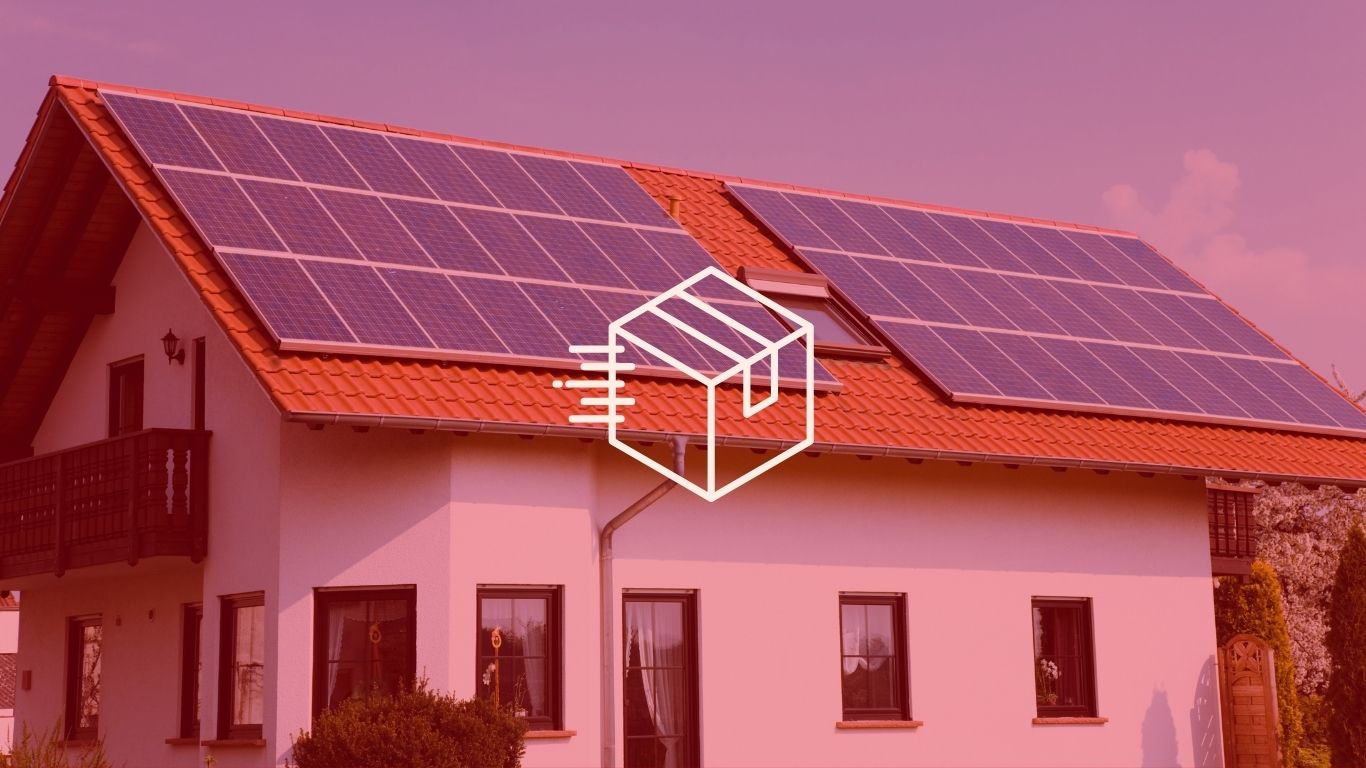
Moving into a home with solar panels is an exciting step towards a greener lifestyle and lower energy bills. Congratulations! You’ve not only acquired apa new property but also an asset that generates clean, renewable energy. However, this new technology comes with a learning curve. From understanding the system’s ownership to performing regular maintenance, there’s a lot to get acquainted with.
The transition to a new home can be overwhelming. While you’re juggling boxes and setting up utilities, figuring out a complex solar energy system might seem daunting. That’s where a smooth, professionally managed move makes all the difference. When you partner with experts like Shiftraa, we handle the complexities of your relocation—whether it’s local, domestic, or international—freeing you up to focus on what truly matters: turning your new house into an energy-efficient home.
This comprehensive guide will walk you through everything you need to know after moving into a home with solar panels, covering crucial pre-move questions, initial setup, long-term maintenance, and efficiency optimization.
The Pre-Move Checklist: Critical Information to Gather
Before the last box is unpacked, your top priority should be information gathering. The details you collect from the previous owner will be invaluable for the smooth operation and maintenance of your solar system.
Tip 1: Secure All System Documentation
Just like you’d want the blueprints to a house, you need the paperwork for your solar array. Ensure the seller provides you with a complete folder containing:
- System Manuals: For the panels, inverter, and any monitoring hardware.
- Warranties: There are separate warranties for the panels (often 25 years), the inverter (5-15 years), and the installation workmanship. Know what’s covered and for how long.
- Installation Records: This should include the original installation date, schematics, and permits.
- Proof of Ownership: A bill of sale or other documentation confirming the system was part of the home sale.
Tip 2: Clarify the Ownership Model: Leased vs. Owned
This is one of the most crucial details. How you manage and pay for your system depends entirely on whether it’s owned outright or leased.
- Owned System: If the previous homeowner purchased the system, it’s now yours. You are responsible for all maintenance and reap 100% of the energy-saving benefits. This is the most straightforward scenario.
- Leased System / Power Purchase Agreement (PPA): If the system is leased, a third-party company owns it, and you are simply buying the power it produces at a fixed rate, or paying a monthly lease fee. You’ll need to have the lease officially transferred to your name. Carefully review the lease terms, including the monthly cost, annual price escalators, and end-of-lease options.
Tip 3: Obtain Installer and Maintenance Contacts
Who installed the system? Who has been servicing it? Get the name and contact information for the original installation company. They are your first point of contact for any technical questions, troubleshooting, or warranty claims. If they are no longer in business, ask the seller if they used a different company for maintenance.
Tip 4: Review Past Utility Bills and Production Data
Ask the previous owner for at least 12 months of electricity bills and, if available, solar production data from their monitoring app. This allows you to:
- Set Realistic Expectations: See how much energy the system typically produces each month.
- Understand Seasonal Variations: Production will be higher in sunny summer months and lower in the winter or during monsoon season.
- Benchmark Performance: You can compare future performance against this historical data to quickly spot any potential issues.
2: Your First Month: Getting Acquainted with Your Solar System
With the paperwork in hand, it’s time to get hands-on. Your first few weeks are about familiarizing yourself with the day-to-day operation of your new power plant.
Tip 5: Learn to Read Your Inverter and Monitoring System
The inverter is the brain of your solar system. It’s a box, usually located in your garage or on an exterior wall, that converts the Direct Current (DC) electricity from the panels into Alternating Current (AC) electricity your home can use.
Most inverters have a small screen that displays real-time energy production, daily totals, and error codes. Take some time to understand what these numbers mean. A solid green light is typically a good sign, indicating the system is operating correctly.
Tip 6: Get Connected to the Monitoring App
Modern solar systems come with a web portal or smartphone app that provides detailed, real-time performance data. The previous owner will need to transfer access to you, or you may need to contact the inverter manufacturer (e.g., Enphase, SolarEdge) or the installer with your system’s serial number to set up your own account. This app is your best tool for tracking efficiency and spotting problems early.
Tip 7: Demystify Your New Electricity Bill
Your first electricity bill in a solar-powered home can be confusing. The key concept to understand is Net Metering.
- How it Works: When your panels produce more electricity than your home is using, the excess power is sent back to the grid. Your utility company credits you for this energy. When you use more power than your panels are producing (e.g., at night), you draw from the grid.
- Your Bill: At the end of the month, you are billed for the “net” amount of energy you used—the difference between the energy you consumed from the grid and the energy you sent to it. On very sunny months, you might even have a negative bill or a credit that rolls over.
The Shiftraa Advantage: While you’re getting up to speed on net metering and inverter technology, the last thing you want to worry about is misplaced items or damaged furniture. Shiftraa’s professional packing and moving services ensure every aspect of your relocation is handled with expert care, allowing you to seamlessly transition into your high-tech home.
3: Long-Term Solar Panel Maintenance and Care
Solar panels are remarkably durable and low-maintenance, but they aren’t “set it and forget it.” A little proactive care will ensure they operate at peak efficiency for their entire 25+ year lifespan.
Tip 8: Master the Art of Solar Panel Cleaning
Dust, pollen, bird droppings, and grime can accumulate on your panels, reducing the amount of sunlight that reaches the photovoltaic cells and lowering energy production.
- When to Clean: In most climates, normal rainfall is sufficient to keep panels clean. However, if you live in a particularly dusty or dry area, or if you notice a significant drop in production, a cleaning may be in order. A good rule of thumb is to inspect them annually and clean as needed.
- How to Clean Safely: If you can safely reach the panels, you can clean them yourself. Use a soft brush and a squeegee on a long extension pole with de-ionized water. Never use harsh detergents or high-pressure washers, as these can damage the panels. For safety, it’s often best to hire a professional solar panel cleaning service.
Tip 9: Schedule Regular Professional Inspections
It’s wise to have a qualified solar technician inspect your system every 1-3 years. They will:
- Check for cracks, corrosion, or delamination on the panels.
- Ensure all electrical connections are tight and secure.
- Verify the inverter is functioning correctly.
- Inspect the mounting hardware to ensure it’s firmly attached to your roof.
This preventative maintenance can catch small issues before they become costly problems.
4: Maximizing Your Solar Panel Efficiency
Now that you understand your system and how to care for it, you can start optimizing your habits to get the most out of every sunbeam.
Tip 10: Align Your Energy Usage with the Sun
The key to maximizing your savings is to use your self-generated power whenever possible. Since your system produces the most electricity in the middle of the day, try to shift your high-consumption activities to these peak hours.
- Run the dishwasher after lunch instead of after dinner.
- Do your laundry on a sunny afternoon.
- Charge electric vehicles between 10 a.m. and 3 p.m.
By using your own solar power, you reduce the amount of energy you need to pull from the grid, directly lowering your bill.
Tip 11: Conduct a Home Energy Audit
Your solar panels are just one part of your home’s energy equation. To truly maximize efficiency, you need to minimize waste. A home energy audit can help you identify areas where you’re losing energy, such as:
- Poor insulation
- Air leaks around windows and doors
- Inefficient appliances
- Outdated HVAC systems
Addressing these issues will lower your overall energy consumption, meaning your solar panels can cover an even larger percentage of your needs. You can often find certified auditors through your local utility company. For more information, resources like the Bureau of Energy Efficiency (BEE) in India provide valuable guidelines.
Frequently Asked Questions (FAQ) about Moving into a Home with Solar Panels
Q1: Do I need special home insurance for a house with solar panels? A: Most standard homeowner’s insurance policies cover rooftop solar panels as part of the home’s structure. However, you must inform your insurance provider that you have a system. It’s crucial to ensure your coverage limit is high enough to cover the replacement cost of both your home and the solar installation.
Q2: What happens to my solar power during a grid outage? A: Standard grid-tied solar systems are designed to automatically shut down during a power outage. This is a safety feature to prevent them from sending electricity back to the grid and potentially harming utility workers making repairs. To have backup power during an outage, you would need a system that includes a battery storage solution (like a Tesla Powerwall or similar).
Q3: How do I know if my solar panels are working correctly? A: The best way is to regularly check your monitoring app. If you see a sudden, unexplained drop in production that isn’t related to cloudy weather, it could signal an issue. You can also check the inverter’s status lights. If you see a red or orange light or an error code, it’s time to contact a technician.
Embrace Your Sustainable Future with Confidence
Moving into a home with solar panels is a smart investment in a sustainable and cost-effective future. By taking the time to gather the right documents, learn your system, perform regular maintenance, and optimize your energy habits, you can ensure your solar panels provide clean, reliable power for decades to come.
The journey to your new home should be as seamless and efficient as the energy it produces. At Shiftraa, we are experts in handling every detail of your move, from meticulous packing and secure transport of your belongings and vehicles to offering safe warehousing solutions. We give you the peace of mind to focus on settling in and embracing the benefits of your new solar-powered life.