

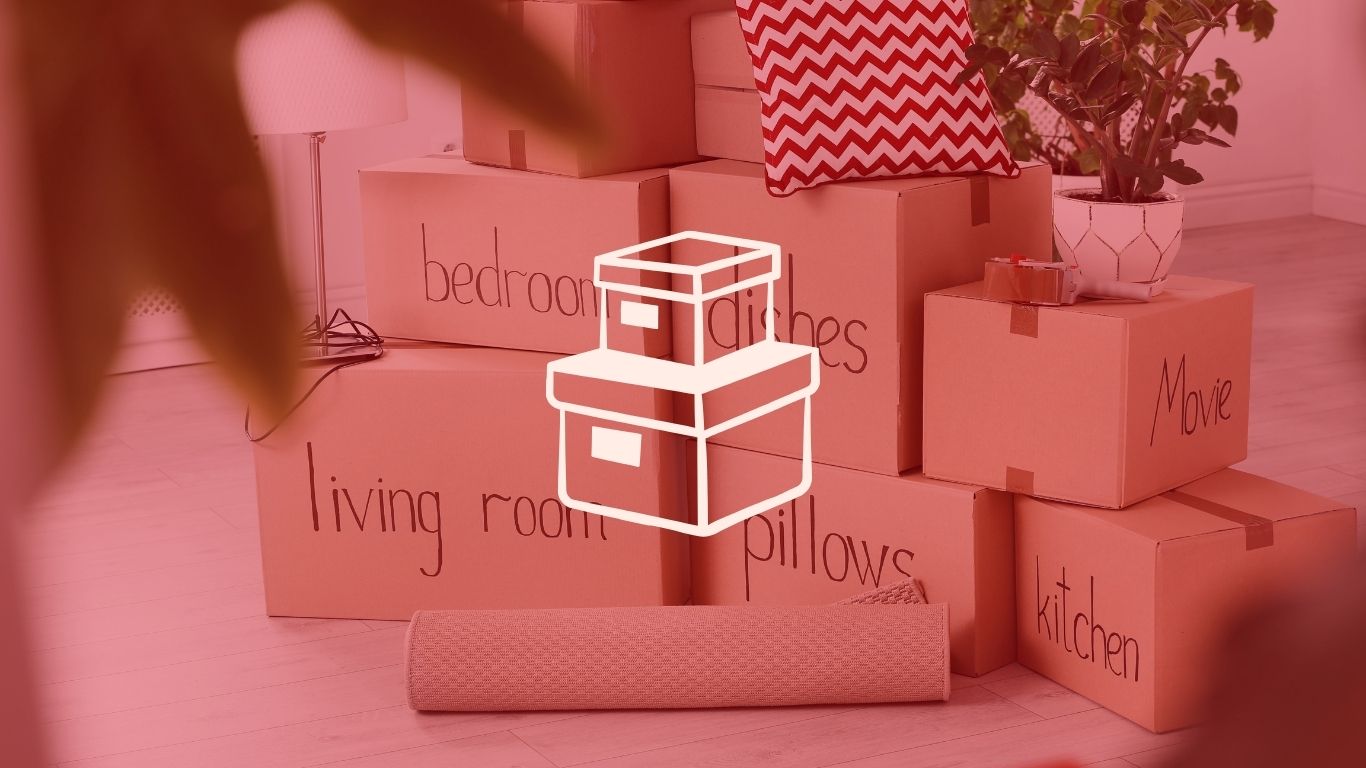
Congratulations! The trucks have departed, the last box has crossed the threshold, and your move is officially complete. You’ve successfully navigated the planning, packing, and transporting stages of your relocation. Now, as you stand amidst a fortress of cardboard boxes, a new chapter begins: turning this new house, apartment, or office into a functional and comfortable space. This final phase—unpacking and settling in—can feel just as daunting as the move itself.
But it doesn’t have to be.
Where a great moving company like Shiftraa ensures a smooth and secure transition for your belongings, a great post-move plan ensures a smooth transition for you. This guide is your comprehensive roadmap, designed by relocation experts to help you tackle the chaos systematically. We’ll walk you through everything from the crucial first 24 hours to the final touches that truly make a space your own, whether you’ve completed a local home relocation or a complex international office move.
The First 24 Hours: Your Immediate Post-Move Action Plan
The initial moments in your new space are critical. Your energy levels are likely low, and the sheer volume of boxes can be overwhelming. The goal for day one isn’t to unpack everything, but to establish a foundation for comfort and safety.
1. Locate and Unpack Your “Essentials” Box
Before the move, you should have packed an “essentials” or “open first” box. This is your survival kit. At Shiftraa, we always advise our clients to keep this box separate from the main shipment and move it in their personal vehicle if possible. It should contain everything you need to get through the first night and morning comfortably.
Your essentials box should include:
- Personal Items: Medications, toiletries (toothbrush, toothpaste, soap), a change of clothes for everyone in the family, and pyjamas.
- Important Documents: Keep your moving contract, inventory list, passports, and other vital paperwork handy.
- Basic Kitchenware: A kettle or coffee maker, mugs, instant coffee/tea bags, disposable plates and cutlery, a few snacks, and bottled water.
- Tools & Supplies: A box cutter, scissors, a small toolkit (screwdriver, hammer), paper towels, cleaning spray, and trash bags.
- Electronics: Phone chargers, a portable power bank, and a laptop.
- For Family: Favourite toys for children and essential supplies like pet food and bowls for your furry friends.
2. Do a Thorough Walkthrough and Inspection
Before you start unpacking, take a moment to inspect your new property. This serves two purposes: identifying any pre-existing issues and ensuring your belongings arrived safely.
- Check the Property: Walk through every room and document the condition of the walls, floors, and fixtures. Take time-stamped photos or videos of any scratches, dents, or damage. This is crucial for your security deposit if you’re renting.
- Verify Utilities: Confirm that the electricity, water, gas, and heating/cooling systems are working. If not, contact the utility providers or your landlord immediately.
- Check Your Inventory: As the movers unload, you should ideally check items off the inventory list (bill of lading). If you haven’t, do a quick count of your boxes now to ensure everything has arrived. Check the condition of boxes and furniture for any visible damage that may have occurred in transit.
3. Prepare the Bedrooms and Bathrooms First
After a long moving day, a comfortable place to rest and freshen up is a non-negotiable luxury. Prioritizing the bedrooms and at least one bathroom creates a sanctuary you can retreat to when you’re tired.
- Assemble the Beds: Your top priority should be assembling the beds for every family member. Use your box cutter to open the boxes containing bedding and make the beds with fresh linens.
- Set Up One Bathroom: Unpack towels, soap, shampoo, toilet paper, and a shower curtain. Having a functional bathroom will make you feel instantly more human.
4. Plan Your First Meal
The last thing you want to do is hunt for pots and pans to cook a complex meal. Give yourself a break. Order from a local restaurant you’ve been wanting to try or prepare something simple that requires minimal effort and cleanup. This is a great way to start exploring your new neighbourhood’s culinary scene.
The First Week: A Strategic Approach to Unpacking
With the immediate survival needs met, you can now shift your focus to a more methodical unpacking strategy. The key is to avoid random box-opening, which leads to clutter and frustration. A room-by-room approach is the most efficient way to reclaim your space.
5. Create an Unpacking Strategy: Room by Room
Don’t try to tackle the whole house at once. A logical sequence will keep you motivated and deliver a visible sense of progress. We recommend the following order:
- Kitchen: The heart of the home; getting it functional makes life easier.
- Bedrooms: Finish setting up these personal retreats.
- Living Room: Create a central space for relaxation and family time.
- Home Office: Essential for those working remotely.
- Guest Rooms, Garage, and other spaces: These can be handled last.
As you unpack, break down the boxes and stack them in one corner or the garage to keep your workspace clear.
6. Tackle the Kitchen
The kitchen is often the most box-heavy and complex room to unpack. Break it down into manageable steps over a couple of days.
- Day 1-2 (Essentials): Start by cleaning all the cabinets, drawers, and countertops. Then, install and plug in your major appliances (refrigerator, microwave). Unpack essential items: daily-use plates, bowls, cutlery, glasses, a pot and pan, coffee maker, and toaster.
- Day 3-4 (Organization): Now, unpack the rest. Organize your pantry, placing food items in logical groups. Set up your spice rack. Find permanent homes for small appliances, special-occasion dishes, and bakeware. This is your chance to create a more organized kitchen than your last one.
7. Set Up Your Living Spaces
With the kitchen operational, move on to the main living area.
- Furniture First: Decide on the optimal layout and arrange your major furniture pieces like the sofa, armchairs, coffee table, and TV stand. This will immediately make the room feel more structured.
- Electronics Second: Set up your television, sound system, and other entertainment devices.
- Decor Last: Unpack books, decorative items, and pillows. Wait to hang pictures and art until you’ve lived with the furniture arrangement for a few days.
8. The Home Office: A Priority for Remote Workers
For many, a functional home office is as critical as a functional kitchen. If you work from home, setting up your office should be high on your list.
- Build Your Workspace: Assemble your desk and chair.
- Connect Your Tech: Set up your computer, monitors, and printer. The most important step is to get your internet and Wi-Fi running. Test your connection to ensure it’s stable.
- Organize Supplies: Unpack your files, stationery, and books.
A professional office relocation involves meticulous handling of IT equipment and sensitive documents. Apply the same care when setting up your home version to ensure a seamless transition back to work.
Beyond the Boxes: Settling into Your New Life
Unpacking is a physical task, but settling in is an emotional and practical process. This is about transforming your new address into a true home and integrating into your new community.
9. Handle the Important Paperwork and Official Tasks
This is a crucial step that is often overlooked in the chaos of unpacking. Make a checklist and tackle one or two items each day.
- Update Your Address: Systematically change your address with:
- Banks and financial institutions (credit cards, loans).
- Insurance providers (health, auto, life).
- Government agencies (Aadhaar, Voter ID, Passport).
- Your employer’s HR department.
- Subscription services (magazines, streaming, meal kits).
- Online shopping accounts.
- Vehicle Registration: If you’ve completed a domestic move to a new state, you will need to update your driver’s license and vehicle registration within a specific timeframe.
- Find New Providers: Register with a local doctor, dentist, and veterinarian.
10. Safety and Security First
Ensure your new home is safe and secure for you and your family.
- Change the Locks: You never know who has a key from the previous owners. Change the locks on all exterior doors for peace of mind.
- Test Safety Devices: Check that all smoke detectors and carbon monoxide detectors have fresh batteries and are working correctly.
- Locate Utilities: Find the main water shut-off valve and the circuit breaker box. Knowing their location is vital in an emergency.
- Create an Emergency Plan: Discuss a fire escape route with your family.
11. Explore Your New Neighbourhood
Step outside and get to know your new surroundings.
- Walk or Drive Around: Discover the quickest routes to work or school. Locate the nearest grocery store, pharmacy, bank, and petrol pump.
- Find Your New Favourites: Look for local parks, coffee shops, libraries, and restaurants.
- Introduce Yourself: A simple “hello” to your immediate neighbours can go a long way in building a friendly community atmosphere.
12. Make it Feel Like Home
This is the fun part! Once the functional setup is complete, it’s time to infuse your personality into the space.
- Hang Art and Photos: Putting familiar faces and beloved artwork on the walls instantly makes a space feel personal.
- Add Greenery: Plants can breathe life and colour into any room.
- Personal Touches: Arrange your favourite books on the shelves, lay down familiar rugs, and display cherished keepsakes.
- Host a Housewarming: When you feel ready, invite friends and family over. Sharing your new space with loved ones is the ultimate way to make it feel like home.
Special Considerations for Different Types of Moves
Every move is unique. Here’s how to adapt your post-move strategy for specific situations.
Settling in After an Office Relocation
An office relocation is about more than just moving desks. The primary goal is ensuring business continuity.
- IT is Priority #1: The IT team should be the first in, setting up servers, network infrastructure, and workstations to minimize downtime.
- Communicate with Staff: Provide employees with a new floor plan, updated contact lists, and information about new procedures or amenities.
- Update Your Business Presence: Change your address immediately on your website, Google My Business profile, letterheads, business cards, and all marketing materials. Expert packers and movers like Shiftraa plan for this to ensure a seamless transition for your clients and partners.
Tips for an International Move
An international move presents a unique set of challenges that go beyond logistics.
- Cultural Acclimation: Take time to learn about local customs, etiquette, and traditions.
- Financial Setup: One of your first tasks should be to open a local bank account to manage your finances more easily.
- Legal and Bureaucratic Tasks: Register with local authorities, understand your visa requirements, and begin the process of getting a local driver’s license if needed. Shiftraa’s international moving experts help navigate the complexities of customs and documentation, but settling in requires personal engagement.
- Build a Network: Connect with expatriate groups and local community centers. Building a social network is crucial for combating loneliness and feeling at home in a new country.
When You Need More Space: Utilizing Storage Solutions
Sometimes, you arrive at your new home to find you have more belongings than space. This is especially common when downsizing. Instead of cluttering your new home, consider a flexible alternative.
Using professional storage solutions can be a game-changer post-move. A secure, climate-controlled warehouse gives you the breathing room to unpack gradually. You can store seasonal items, furniture that doesn’t fit, or boxes you don’t have time to sort through immediately. This allows you to make thoughtful decisions about what to keep, sell, or donate without living in a mess. Shiftraa offers secure and accessible warehousing options to complement your move, providing a seamless extension to your living space.
The Final Touches: One Month Post-Move
After about a month, most of the boxes should be gone, but the settling-in process continues.
13. Declutter and Deal with Moving Debris
A move is the single best opportunity to declutter. As you went through your boxes, you likely created piles to donate, sell, or discard. Now is the time to act on them.
- Manage Moving Boxes: Once everything is unpacked, break down all cardboard boxes. You can post them on a local community group for free, recycle them, or ask your moving company. Some packers and movers offer box buy-back or disposal services.
14. Establish New Routines
Routines provide comfort and structure. Establish new rhythms for your weekly grocery shopping, cleaning schedule, and weekend activities. This is what transforms a physical location into the predictable backdrop of your life.
15. Leave a Review for Your Movers
If you had a positive, hassle-free move, take a few minutes to leave a review for your moving company. Your feedback not only helps the company improve but also provides invaluable guidance for other people who are planning their own relocation.
The Journey Doesn’t End at the Doorstep
Settling into a new home is a marathon, not a sprint. It’s a journey of transforming an unfamiliar environment into a place of comfort, safety, and personal expression. By approaching it with a clear strategy—tackling essentials first, unpacking room by room, and mindfully completing the administrative tasks—you can minimize stress and start enjoying your new life sooner.
Remember, the right partner makes all the difference. From the first box packed in your old home to guidance on how to settle into your new one, Shiftraa is committed to being your trusted expert for the entire relocation journey.